
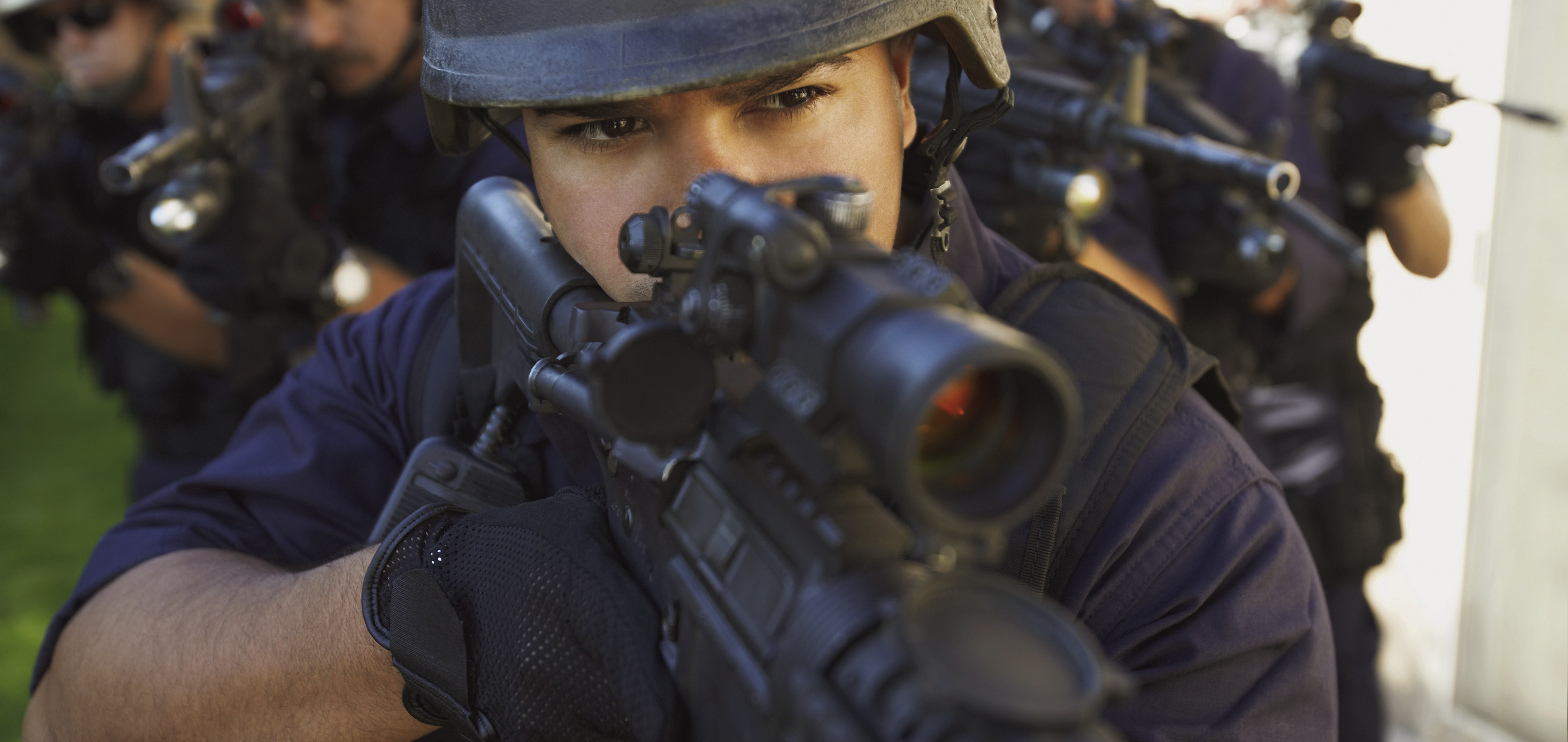
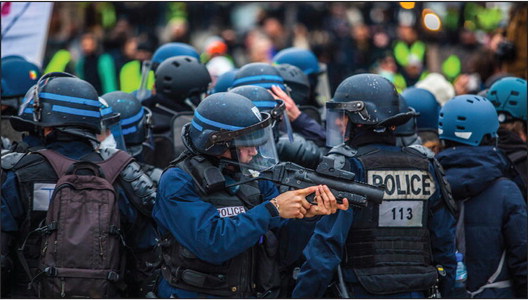
Swatting is a new phenomenon sweeping the nation. This s a criminal harassment tactic devised to deceive an emergency service into sending emergency personnel to a specific location.
Typically, this happens when somebody calls a false bombthreat,activeshooteror asuicidal/homicidalpersonto that location. This then triggers thepoliceandemergency response teams to swarm the intended location in search of a fake threat.
The term “swatting” derives from the law enforcement unit called the SWAT (special weapons and tactics) team. The SWAT team is a unit that is equipped with tactical weapons and gear that is dispatched to take care of high-risk situations.
Swatting may seem harmless, however, they are anything but. Not only do they costthepoliceandemergency services time and money, they also pull the emergency response teams from real potential emergency situations. Also, the emotional damage caused by these occurrences are real. The employees and students at the locations receiving the fake calls are put under emotional duress.
In some cases, swatting has become fatal. In 2017, Andrew Finch was shot and killed by a Wichita, Kans. police officer who was responding to a call. The hoax began between two online gamers who were in the middle of a feud. One gamer recruited Tyler Barris to swat the other gamer. However, the address for the intended recipient of the swatting was an old address, and police happened across Finch and he was accidentally shot during the confusion.
For some reason, swatting is on the rise. A report noted that swatting incidents have more than doubled over the past few years. Just this past week alone, multiple Texas schools were victims of the fake threats. Collin College Plano Campus, Texas Wesleyan University, and the Galen College of Nursing in San Antonio to name a few.
Even the small town of Southmayd fell prey to the prank. S&S Consolidated Schools shut down on April 12 due to a threat that was received online. The threat was later found to be fake, but the schools shut down to protectthestudents,teachers and employees.
Officials are having issues getting to the root of the swatting pranks because they are typically done through online venues, or bots.
The newest reports show that swatting starts online and is almost like identity theft.
Even though swatting is difficult to trace or stop completely, there are steps that can be taken to slow down the spread. Use a firewall to prevent web security and spoofing.
Change passwords regularly. Changing passwords regularly may not prevent the hacker for gaining access to the account, but it will keep them from getting back into it after the password is changed.
Be sure computers and web accounts have stricter privacy settings. Be sure to utilize the two-factor authentication. This action forces the user to not only put in their password, but to also enter a code sent to the original user’s cell phone. Avoid oversharing. There aremanyFacebookandsocial media posts that ask the user to list much of their personal information. For example, one post poses as a trend. It asks the user to list information like their middle name, where they grew up, or their childhoodpet.Theseareways for hackers to access user information.
For anybody who is a victim to a swatting hoax, there are things they can do to keep safe. For starters, remain calm. Any sudden movements from the presumed suspects can lead the swat team to believe there is a threat.
Be sure to cooperate with law enforcement. Law officials may temporarily handcuff people and search the place in question to be sure there is no actual threat. As long as the people are cooperating, it keeps things less stressful and safe.