
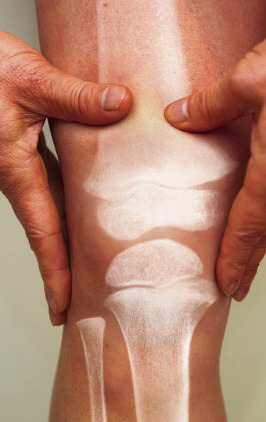
Bone is living, growing tissue that changes as a person ages.
Although healthy bone can naturally diminish as a person gets older, seniors in particular are at elevated risk of osteoporosis, a bone disease marked by rapid bone deterioration.
Osteoporosis occurs when bone mineral density and bone mass decrease, or when the strength and structure of bone changes, according to the National Institute of Arthritis and Musculoskeletal and Skin Diseases. Bone is constantly being broken down and replaced. When a person has osteoporosis, creation of new bone cannot keep up with the loss of old bone.
Osteoporosis can make bones so brittle that even a seemingly innocuous movement, such as coughing, bumping into something or bending over, can cause bones to break, says the Mayo Clinic. These breaks commonly occur in the spine, wrist or hip.
Osteoporosis affects people of all genders, ages and races. However, white and Asian women, especially those past menopause, are at the highest risk.
The Bone Health & Osteoporosis Foundation says that osteoporosis is known as a silent disease because bone weakening is undetectable. Subtle signs, such as a stooped posture, a curved back or if someone seems to be getting shorter, may indicate osteoporosis.
Breaking a bone is often the first sign of the disease.
There may be ways to prevent osteoporosis or alleviate its symptoms. A nutritious diet and regular exercise are essential for keeping bones healthy throughout life. This includes getting enough calcium through foods and possibly supplementation.
Individuals should work with their doctors to get the right amount of calcium, as too much from supplements may cause kidney stones.
Vitamin D also works in concert with calcium to produce strong bones, and many people are deficient in vitamin D.
Exercise also is needed for strong bones. Strength training with weightbearing and balance exercises enjoyed regularly throughout life can help maintain healthy bones as one ages.
Additional lifestyle issues can increase risk for osteoporosis. These include long-term use of certain medications like glucocorticoids and adrenocorticotropic hormones to treat various conditions.
Proton pump inhibitors, cancer medications and antiepileptic medicines also may increase risk for osteoporosis. Heavy alcohol consumption and smoking also can contribute to osteoporosis. Osteoporosis is not something to take lightly.
A bone-density test can indicate if bones are weakening and if intervention is necessary.
However, measures should be taken early in life to prevent osteoporosis in the future.