
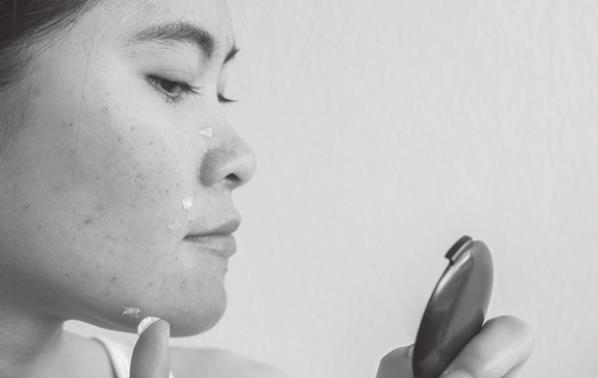
Skin conditions tend to be troublesome because they are so visible. But that same visibility compels many people to take fast action to diagnose and treat any condition that affects their skin.
Rosacea is a common chronic condition that affects about 14 million people in the United States, according to the Cleveland Clinic. The Canadian Dermatology Association says rosacea affects more than three million Canadians.
Rosacea symptoms
Johns Hopkins Medicine says the cause of rosacea is unknown. It tends to begin after middle age (age 30 to 60) and is more common in fair-skinned people.
The first signs of rosacea are intermittent redness or blushing. However, over time the redness may become persistent and more visible. Rosacea is most notable on the face and can be mistaken for acne, since it also produces small, pus-filled bumps in certain cases, says the Mayo Clinic. It also occasionally affects the neck, chest or other areas.
The following are the types and symptoms of rosacea and how they build with time.
• Prerosacea: Frequent episodes of blushing and flushing.
• Vascular rosacea: Swelling of the facial skin, leading to swollen, warm skin.
• Inflammatory rosacea: The formation of pimples and enlarged blood vessels on the face.
• Rhinophyma: Oil glands in the nose and cheeks become enlarged, leading to a bulbous, red nose (more common in men).
The Mayo Clinic says that rosacea also can cause eye problems. These include dry, irritated, swollen eyes and eyelids, known as ocular rosacea. In certain cases, eye symptoms precede skin issues.
The National Rosacea Society reports that rosacea symptoms may differ in men and women. Nose enlargement is more common in men, with males twice as likely to suffer from rhinophyma. In contrast, women were significantly more likely to experience rosacea symptoms on the chin.
Flare-ups
Rosacea may flare up after consuming spicy foods , hot drinks or even alcoholic beverages. Wind, temperature extremes and exercise also can trigger symptoms. Those with rosacea should also exercise caution with medications that dilate blood vessels and test cosmetic products, such as those for the skin and hair, prior to use.
Finding relief
Individuals who are uncomfortable or embarrassed due to rosacea should visit a dermatologist. Treatment often includes a combination of skin care techniques and prescription drugs. Oral antibiotics and acne drugs can mitigate symptoms. Topical drugs that reduce flushing also can be used for mild to moderate rosacea. Laser treatments may make enlarged blood vessels less visible. A dermatologist can talk about a regimen that will work for each patient.
Rosacea can be problematic for millions of people, but with good skin care and guidance by doctors, symptom severity can be reduced.