
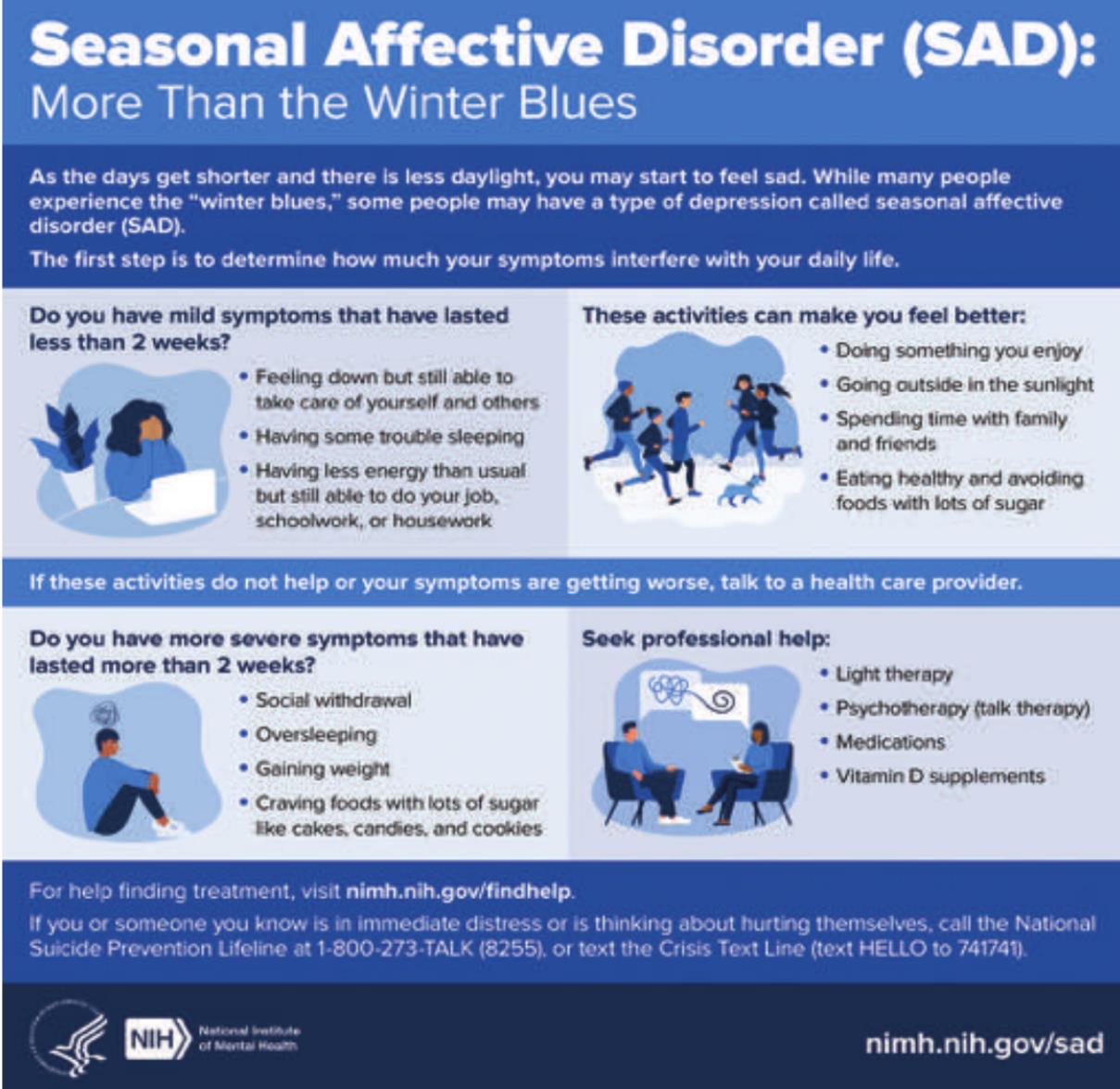
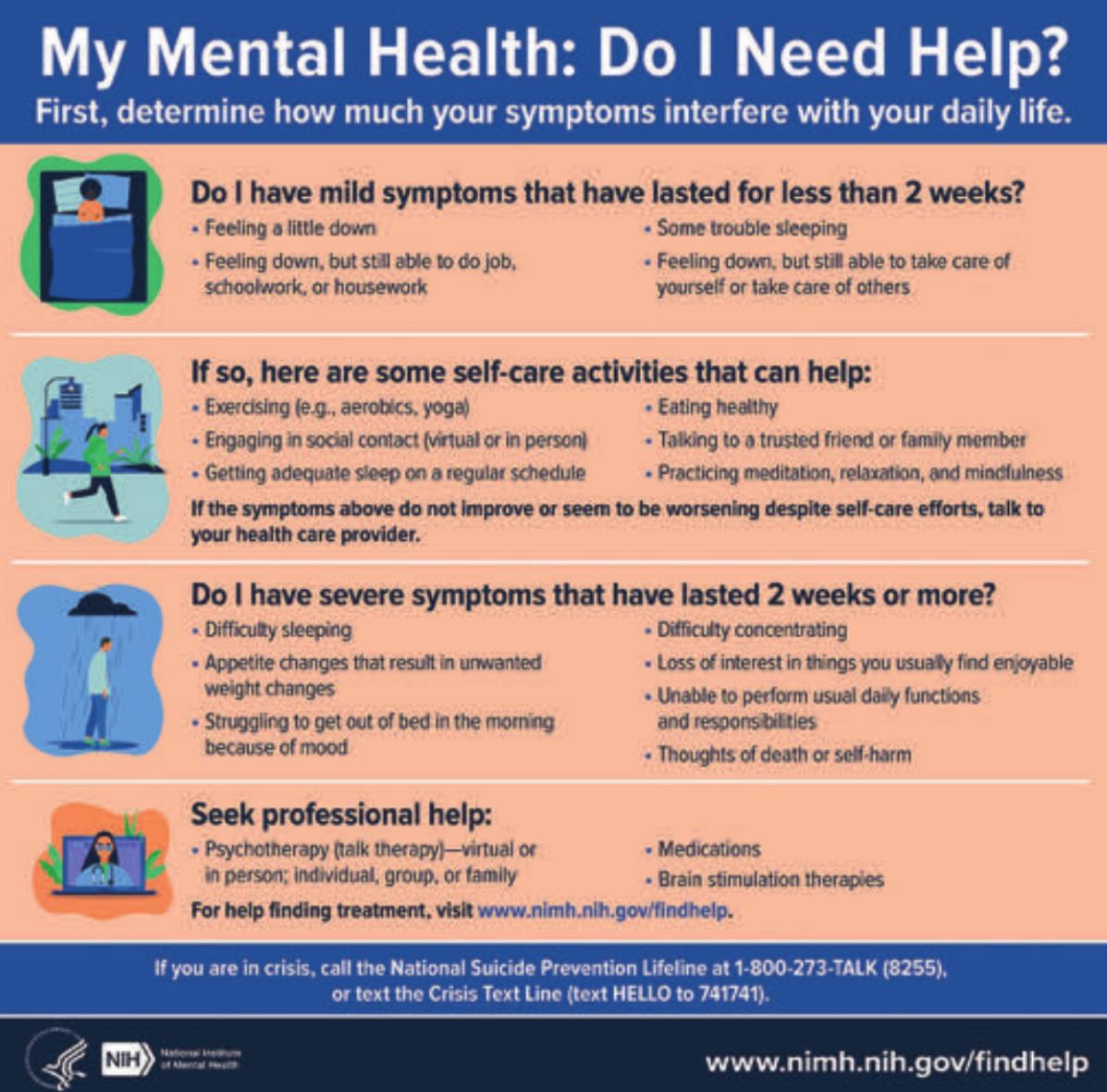
The Grinch and Ebenezer Scrooge – with their pessimistic, antisocial, bah-humbug personalities – are among the most well-known Christmas characters because they normalize the periodic feelings of contempt and exhaustion that most of us experience at least once during the holiday season. The holiday stress of extra spending, demanding interpersonal obligations, and unrealistic expectations for perfection trigger strong emotions.
Seasonal feelings of anxiety and stress are typically expected and managed with togetherness and self-care. However, sometimes the strain of holiday perfectionism, family relationships, and finances becomes so overwhelming that it leads to crushing depression with damaging outcomes like social withdrawal or even suicide. Recognizing the transition of normal stress response to a more severe condition is important in preventing negative outcomes and treating the condition.
With the holiday season being widely accepted as a time for togetherness, it holds that one of the biggest factors in holiday depression is loneliness or social isolation, especially when combined with other mental health conditions. A survey by the National Alliance on Mental Illness (NAMI) reported that 64% of those diagnosed with a mental illness claim the holidays make their symptoms worse.
Moreover, the effects of grief, addiction, finances, and family conflict are enhanced during the holidays and can cause additional loneliness and emotional instability that feeds depression. The symptoms of depression vary and can be difficult to recognize over more than just simple holiday fatigue.
Since everyone experiences depression differently, normal holiday-stress is differentiated from clinical depression by the intensity of the symptoms and the impact of the symptoms on daily life. According to the National Institute of Mental Health (NIH), if you or someone you know has any of the following common symptoms for most of the day, most days, for at least 2 weeks, it may be clinical depression and should not be ignored:
• Persistent sad, anxious, or “empty” mood
• Feelings of hopelessness, or pessimism
• Irritability
• Feelings of guilt, worthlessness, or helplessness
• Loss of interest or pleasure in hobbies and activities
• Decreased energy or fatigue
• Moving or talking more slowly
• Feeling restless or having trouble sitting still
• Difficulty concentrating, remembering, or making decisions
• Difficulty sleeping, earlymorning awakening, or oversleeping
• Appetite and/or weight changes
• Thoughts of death or suicide, or suicide attempts
Although there are few scientific studies on mental health during the holidays, there are numerous findings in surveys from expert health organizations that suggest people experience increased stress, anxiety, and depression in the period between Thanksgiving and New Year's Day.
While seasonal depression can be devastating, there are ways to decrease the impact of holiday stress and improve emotional stability. Holly A. Swartz, author of "Loneliness and Psychotherapy" (2019) identifies the best treatments for holiday loneliness and depression are developing social networks through church, volunteering, or social clubs; participating in hobbies; or joining therapeutic support groups. Ultimately, the Dr Suess character Cindy Lou Who summarized it best when she said, “No one should be alone on Christmas.”
In addition to developing social support, practice selfcare activities that include exercising, eating healthy, getting enough sleep, and postponing important life decisions to decrease the risk of becoming overwhelmed.
Most importantly, recognize and acknowledge overwhelming emotions and feeling of not belonging that interfere with daily activities and address them with professional counselling sessions and medication if needed to combat the escalation of holiday stress that triggers depression.
There are several national resources available for additional support or information. These resources are the National Suicide Prevention Lifeline: 1-800-273-TALK, National Alliance on Mental Illness (NAMI) 1-800-950-NAMI, Family Violence 1-800-799-SAFE, Youth in Trouble/Runaways 1-800-786-2929, Veteran’s Crisis Line 1-800-273-TALK/press “1”.