
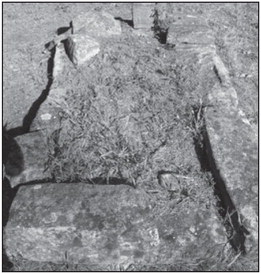
Indian Territory was home to many townships, trading posts, and homes approximately a hundred years before Lake Texoma was even a thought. When there are people in an area for centuries, there will also be graveyardsorburialgrounds.
Several townships have existed along the north and south side of the Red River and the current site of Lake Texoma officially as early as 1820. However, artifacts suggest that people resided in this area centuries earlier.
History reports show that Lake Texoma is a man-made body of water. Although the lake was no surprise to any existing communities, many resisted the rising of water over what they called home. Even more so over the sacred ground of which they laid their dead to rest.
As a result, many burial grounds became ghost sites flooded by water. Records show that many of these sites that became covered with water were relocated. However, family lore states that only the headstones were relocated and the very grave where the body was buried remained.
As if being covered in water wasn’t enough, many grave sites where actually plowed over and not a single gravewasrecordedormoved. The Madill City Library has a list of cemeteries showing 38 and Find A Grave has a list of about 42. While visiting with any long-term area resident, a story of a graveyard seems simple to recall. The conversation typically ends with “over there where that new trailer park is” or “over therewherethosenewhouses are built.”
One Local recalled many Native American gravesites, in the fields of now what is BuncombeCreekhousingand development area, marked with big stones, many with markings on them. Sadly, those areas along with many more are simply plowed over with no regards to the Native Americans who are laid to rest in that area.
One may think that these graveyards are clearly marked and recorded but that is not the case most of the time. In many instances, those who know where the spots are have gone on and newcomers unknowingly plow, pave, and build right over the cemetery leaving no record of the many folks buried.
MarshallCountyhasmany historical locations including WW2 POW Camps, Indian Schools, homes, towns, and graveyards that have been completely disregarded and homes and roads built right on top. One big burial site in the news is Greenwood in Tulsa where it has been discovered that many graves have been completely plowed over.
One township that was covered in water on the Oklahoma side of Lake Texoma is Woodville. The headstones and bodies were not removed or relocated, and the head stones can be seen when the lake level is low. Another site is Linn, Okla. actually where folk lore said the headstones were relocated but the actually bodies were left to be submerged underwater forever.
The act of placing houses over graves is not a new phenomenon. In early America days, many family members were buried under the family house. Ben Franklin, one of the most influential people in America lived in England before the Declaration of Independence in 1776. According to an article from realtor. com, when a renovation of his home in England was done in 2014 a total of 1,200 human bones were dug up under the basement.
How would a person ever know if a home is setting right on top of a grave? Most of the time a person would never know unless told by folklore,oronejusthappened across bones while planting a garden.
This may seem like a ghost story, but fact is this has happened many times. There are over 144,000 identified cemeteries in America according to realty.com. One could easily understand how unmarked graves next to a cemeterycouldbepavedright over. When unmarked, out of the way burial sites have no definitive number.
Development is upon Oklahoma at a record rate, so even more burial grounds are found. A responsible person should notify authorities when any item is discovered. After discovering their house is built over a gravesite, one may contact okcemeteries. net or any local funeral home can assist in contacting appropriate agencies.