
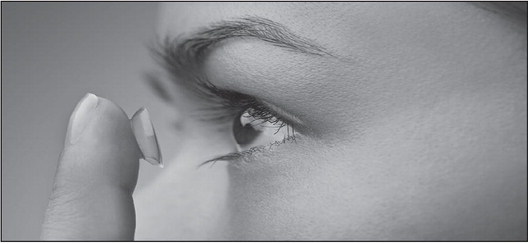
Contact lenses are a solution for people with impaired vision who don’t like the look or feel of eyeglasses. But unlike eyeglasses, contact lenses require daily maintenance. Without such TLC, contact lenses can become dirty, which can lead to serious infection.
Physicians typically emphasize the importance of proper contact lens care upon prescribing lenses. That’s because of the link between dirty lenses and infections. But the Cleveland Clinic notes that such infections are often avoidable.
Infections and bacteria AccordingtotheCleveland Clinic, roughly 80 to 90 percent of contact lens-related eye infections are bacterial. The bacteria staphylococcus aureus, also known as “staph,”islinkedtomanycases of contact lens-related eye infections. Staphylococcus aureus bacteria are resistant to common antibiotics, which underscores the importance of cleaning contacts to reduce the risk of infection.
Pseudomonas aeruginosa is another type of bacterial infection that can affect individuals who wear contact lenses. The Cleveland Clinic indicates that this fast-growing infection is possibly the most severe. It can lead to a hole in the cornea and there’s asignificantchanceofpermanent scarring and vision loss.
Fungal infections Poor contact lens hygiene also can lead to fungal infections. Fungi such as aspergillus or fusariam pose a threat to vision and infection can occur if lenses are not properly and routinely cleaned. What causes contact lensrelated infections?
The American Academy of Ophthalmology reports that, in addition to bacteria and fungi, various things can cause contact lens-related infections. Those factors include:
• Using extended-wear lenses
• Sleeping in contact lenses
• The buildup of microbes under the lens
• Herpes virus
• Parasites
• Reusing or topping off contact lens solution
• Failure to keep lenses clean What are the signs of contact lens-related eye infection?
Serious vision loss or blindness can result from contact lens-related infections. However, less severe symptomsmaypresentthemselves before the infection progresses to the point of vision loss.
• Blurry vision
• Unusual redness of the eye
• Pain in the eye
• Tearing or discharge from the eye
• Extra sensitivity to light
• The feeling that something is in the affected eye Contact lenses require daily maintenance to prevent infection. More information is available at www.aao.org.
Roughly 80 to 90 percent of contact lens-related eye infections are bacterial.