
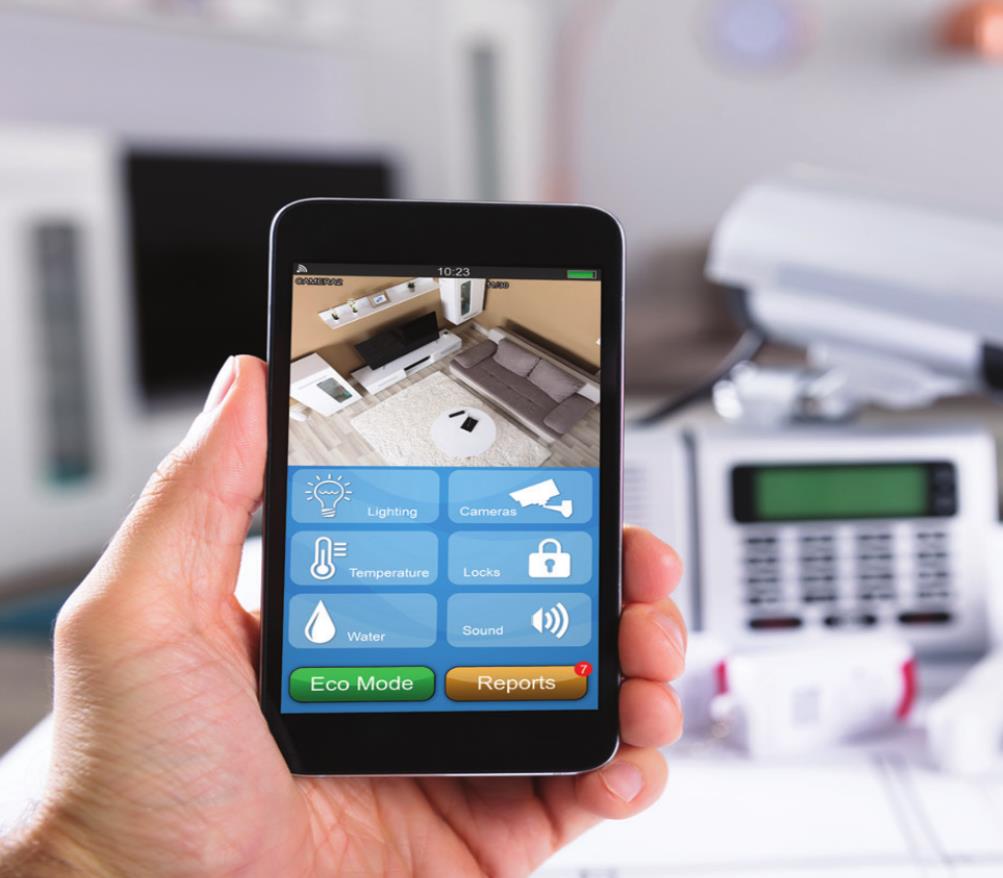
Understanding smart home technology can be a bit confusing. However, understanding how home automation affects selling or buying a home doesn’t have to be. As homes become smarter, buyers are looking to get more for their money, especially when it comes to vacation or secondary properties. If you are looking to buy or sell a home, here are some automation questions you should be asking before you get started.
Should I Install Upgrades on My Own?
Your installation needs will depend on the kind of smart home technology you decide to purchase. With devices such as Apple HomePod and Alexa Smart Home, you may only need to set up one device and connect it to others throughout your home. Self-installation should work just fine to control lighting and multimedia devices around your home, but for other smart home technology, you may want to call in the pros. Getting an electrician to install switches, outlets, and fixtures throughout your home is a great way to protect your investment in smart home devices. It’s a small expense that can protect your home from some very serious problems that can be caused by faulty electrical work. Make sure to check the local Madill marketplace and classifieds to find services you need.
What Kind of Features Do Buyers Look For?
The kind of smart home features buyers will expect depends on the real estate market where your property is located. In Madill, where homes sell for about $186,000 on average, homebuyers still expect to find features that will make their lives a little easier.
Home automation is no longer a must just in luxury or upscale real estate markets. Even in non-ultra luxury markets, smart devices can make a difference to buyers. Homeowners tend to install these devices to keep energy costs down with a Nest system or similar, or boost security by using remote door locks to allow cleaners, repairmen, and renters into their homes. These added benefits can create more interest in your property when selling and add convenience to your life if you are looking to purchase a new home.
Aside From Convenience, Does Automation Have Any Benefits?
Convenience is definitely a top benefit of automating your home, and it is not a small one. Seemingly small time savings, such as having your lights turn on by themselves, can really add up throughout the week. However, automation has other benefits, too. Automated lights outside, motion sensors, and even video doorbells help homeowners feel more protected and even lower insurance rates. There are also home automation systems that monitor your thermostat, lighting, and even water usage to optimize your energy savings and help reduce your carbon footprint. So even if convenience is not a big concern for you, you may find home automation in a new home useful in other ways.
How Much Should I Expect to Pay for Technology?
As smart home technology increases in the market, the cost to set it up in your home is rapidly declining. According to recent reports, you can expect to pay around $2,000 to get started with simple upgrades like smart lighting, basic security, and thermostat regulation. This includes the price for simple or self-installation. Even the higher end of home automation only runs a few thousands of dollars.
Home automation doesn’t have to cost a lot, but the returns on investment can be well worth it. Renters and buyers love to see smart home upgrades in potential properties. So if your home features smart hubs, automated lighting, and advanced security systems, buyers are more likely to be interested in your home.
As home automation becomes more common, buyers are likely to look for smart home features when looking for a new home. But even if you are not buying or selling just yet, these devices can add convenience, savings, and quality to the life you live inside your home. So think about home automation and what upgrades may be right for you.