
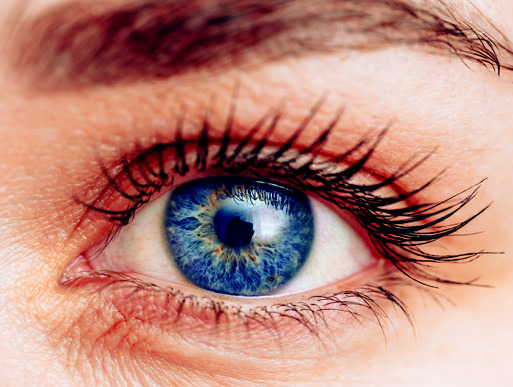
Pink eye, or conjunctivitis, isoneofthemostcommoneye ailments in the world, and also one of the most contagious. While it often causes alarm because of its brightred appearance, most cases are mild and can be treated at home. Still, understanding its causes, history and prevention can help stop its spread and ease symptoms more quickly.
Pink eye occurs when the thin, transparent layer covering the white part of the eye and inside of the eyelid, the conjunctiva, becomes inflamed. This can make the eye look red or pink, and may be accompanied by itching, tearing, discharge or a gritty feeling.
There are three main types of conjunctivitis: viral, bacterial and allergic. Viral conjunctivitis is the most commonandisusuallylinked to the same viruses that cause colds. It spreads easily through coughing, sneezing, or touching contaminated surfaces.
Bacterial conjunctivitis often produces thicker discharge and may cause the eyelids to stick together, especially after sleep. Allergic conjunctivitis isn’t contagious at all and is triggered by allergens such as pollen, dust or pet dander.
The contagious forms, viral and bacterial, can move rapidly through schools, workplaces and households. Doctors say even casual contact, like sharing towels or makeup, can spread infection.
Hand hygiene is the most important defense. Dr. Emily Carter, an optometrist in Oklahoma City, said it typically spreads faster during the fall season.
“We see spikes every fall when the cold season starts,” Carter said. “Children are especially at risk because they touch their eyes and faces often.”
While medical treatment may be necessary for bacterial cases, many mild viral and allergic infections clear upontheirownwithinaweek or two. Home remedies can ease discomfort like warm compresses. This can help reduce swelling and soothe irritation, artificial tears or lubricating eye drops keep eyes moist and cold compresses often relieve itching from allergies.
Avoid touching or rubbing the eyes and wash pillowcases and towels frequently. Doctorscautionagainstusing any leftover antibiotic drops unless prescribed for the current infection, as misuse can make bacteria more resistant.
Prevention is straightforward: frequent handwashing, avoiding eye touching and not sharing personal items. Disinfecting surfaces like doorknobs and makeup tools can also help stop transmission. Contact lens users should follow cleaning instructions carefully and replace lenses as directed.
The term “conjunctivitis” dates to the 19th century, but the condition itself has been recorded for thousands of years. Ancient Egyptian papyri described red, irritated eyes likely caused by bacterial infections. In the 1800s, outbreaks of “ophthalmia” werecommonamongsoldiers and schoolchildren, often spreading rapidly in crowded living quarters before modern hygiene and antibiotics became available.
Most pink eye cases resolve naturally, but medical care is needed if there’s significant pain, blurred vision or sensitivity to light. Newborns and people with weakened immune systems shouldseekcareimmediately at the first signs of redness or discharge.
While rarely serious, pink eye’s combination of discomfort and contagiousness has made it a persistent public health nuisance throughout history. With simple hygiene and care, however, most cases can be prevented or quickly healed, leaving the eyes clear and irritation-free once again.