
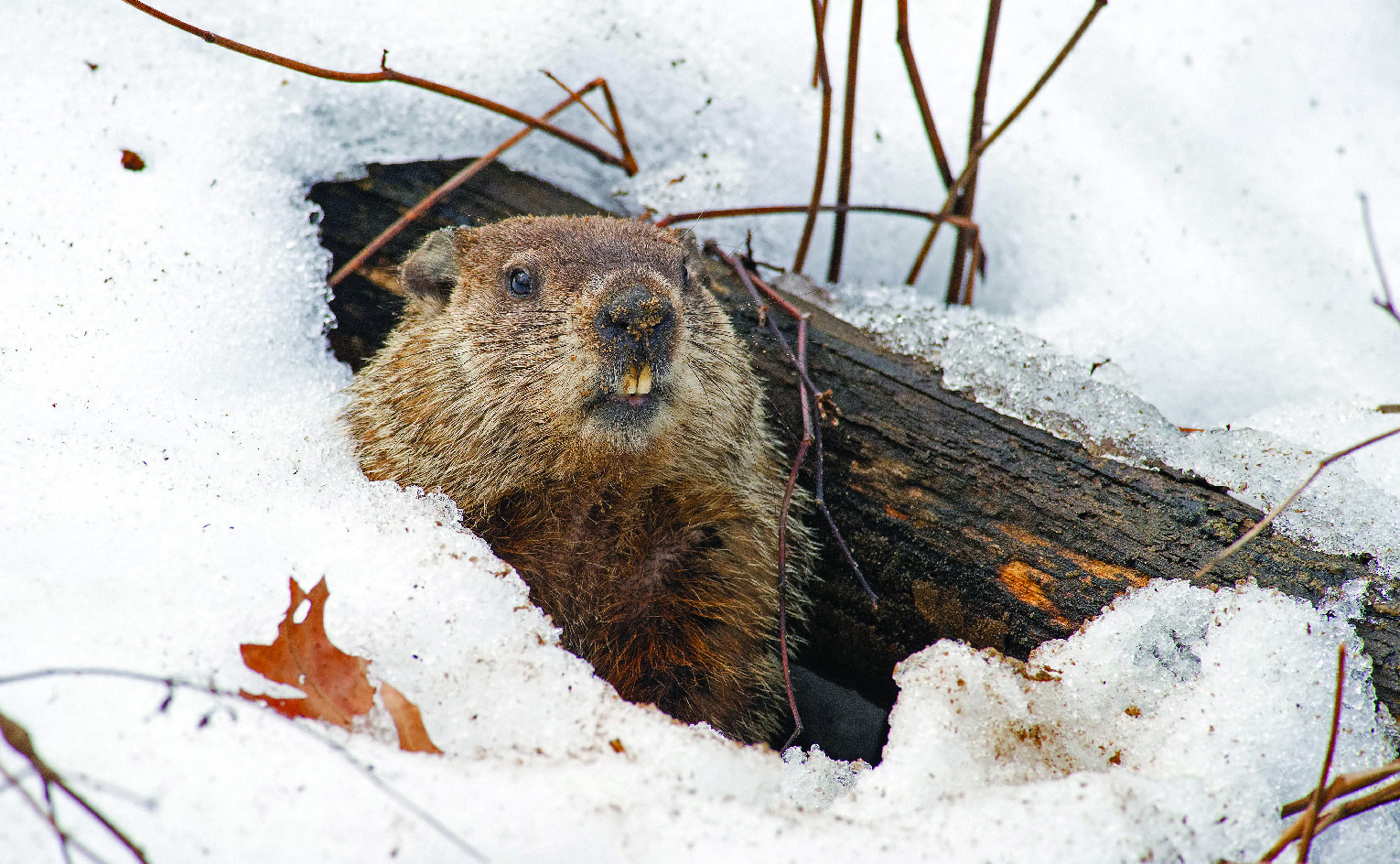
Monday, Feb. 2, 2026, dawned with a mix of tradition, folklore and cold-weather curiosity as Punxsutawney Phil, the world’s most famous weather prognosticating groundhog, emerged at Gobbler’s Knob in Punxsutawney, Pennsylvania, and saw his shadow.
That classic sign, interpreted by his handlers to mean “six more weeks of winter”, drew cheers and groans from the assembled crowd, braving winter chill for a glimpse of the famed rodent.
Groundhog Day, celebrated every Feb. 2, traces its roots to old European customs brought to North America by German immigrants. The tradition evolved from Candlemas Day, a Christian holiday marking the midpoint between winter’s start and spring’s arrival, when people long ago believed a bright, clear day meant lingering cold and cloudiness hinted at an early spring.
Early settlers in Pennsylvania adapted that lore to the humble groundhog, first publicized in a local newspaper in 1886 and formally celebrated in 1887 with the naming of Punxsutawney Phil by the Punxsutawney Groundhog Club.
Phil’s annual appearance is embraced as a piece of Americana, complete with a ceremonialInnerCircleintop hats and a global audience tuning in for his “prediction.” However, scientists and forecasters note there’s no real meteorological basis for the groundhog’s weather wisdom: comparisons with long-range weather records showPhil’saccuracyhovering around about a third of the time, barely better than chance and far below modern forecasting methods. The ritual endures more as lore and festive distraction than as a reliable climatological tool.
While Punxsutawney’s call suggested more winter to come, residents of southeastern Oklahoma’s Marshall County can expect a different blend of seasonal weather in the days ahead. Todayandthroughmidweek, skies are forecast to range from intervals of clouds and sunshine to mostly sunny conditions with mild temperatures for early February.
Highs are expected to be near the lower 60s on Feb. 2, cooling slightly midweek before moderating again later in the week and lows dipping closer to freezing at times. A mix of sunshine and comfortable warmth through much of the first week suggests typical winterto- spring transition weather for south-central Oklahoma rather than a prolonged deep freeze.
In the end, Phil’s shadow stands as a charming reminder of folklore’s hold on culture. Yet for practical purposes, from planting calendarstoschoolschedules, people will continue to rely on meteorological science and local forecasts to decide what winter truly has in store.