
No one wants to land in a sticky situation where their personal safety is compromised. Some people may think they can defend themselves if they’re ever attacked, butwhenpushcomes to shove, knowledge of some self-defense techniques can mean all the difference.
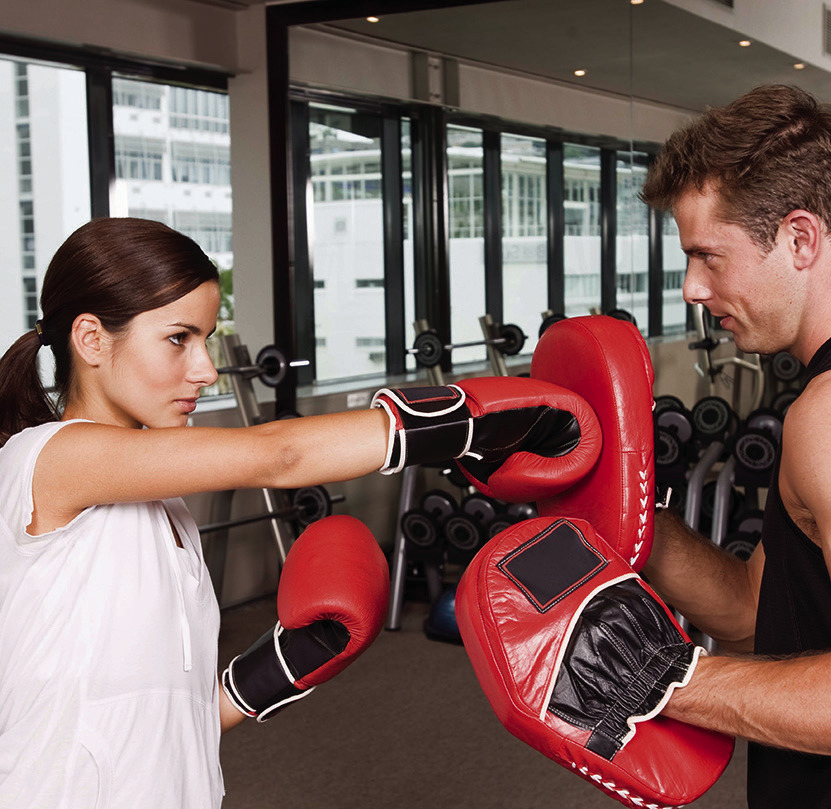
A study from the University of Oregon found that women who participated in self-defense classes felt they were more equipped to deal with strangers or people they know in the context of potential assault or abuse. Self-defense techniques like krav maga, developed for military personnel; mixed martial arts, which blends different martial arts and sports disciplines; and boxing are often cited for their real-world effectiveness. Enrollment in a class that focuses on these disciplines can help people feel more empowered and prepared. It also can be helpful to heed some additional tips concerning self-defense.
• Keep in mind the 5 A’s of self-defense. The five A’s of self-defense are Awareness, Alertness, Avoidance, Anticipation, and Action. The Center for Violence Prevention and Self Defense Training urges people to be aware of what’s around them and to scan for people and obstacles. Alertness involves recognition of potential threats, and avoidance means steering clear of dangerous situations. Anticipation involves thinking ahead and having a plan, while action entails responding decisively when necessary. Knowledge of the five A’s is a good start in staying safe.
• Employ verbal de-escalation strategies. Kovar’s Satori Academy suggests trying verbal de-escalation as a tool to stop physical confrontations early. The abilitytocommunicateunder pressure could determine if a situation ends peacefully or turns physically violent.
• Get other people’s attention. Making a scene by sounding an alarm to others can help in a self-defense situation.Anattackermaybe counting on compliance, but yelling to “back off” or just screaming anything can get others to help or cause the attacker to move on, according to Teri Jory, PhD, of DFWM Self Defense Training.
• Learn a hammer strike. Using car keys or something else in the hand is one of the easiest ways to defend yourself. Hold the key ring in a tight fist, like holding a hammer, with the keys extending from the side of yourhand.Thrustdownward toward your target. Keys also can be swung on a lanyard at the attacker.
• Engage in a groin kick. It’s important to target vulnerable areas, such as the eyes or the groin, when defending yourself. Driving your dominant knee upward so that the lower shin or ball of your foot hits the attacker’s groin area may be enough to immobilize the person.
• Try the palm-heel strike. This technique creates an escape opportunity. It’s best used when the face of the attacker isn’t blocked or covered, according to self-defense expert Jarrett Arthur. Extend your nondominant palm outward and draw your dominant arm back. Immediately draw back the non-dominant arm and explosively extend your dominant palm to strike. Your palm should stay open and the heel of the palm should make contact with the attacker’s nose or throat.
Thesearesometechniques that can keep people safe when defending themselves. However, it is important to learn with a self-defense expert and practice often so you can act effectively if the need arises.