
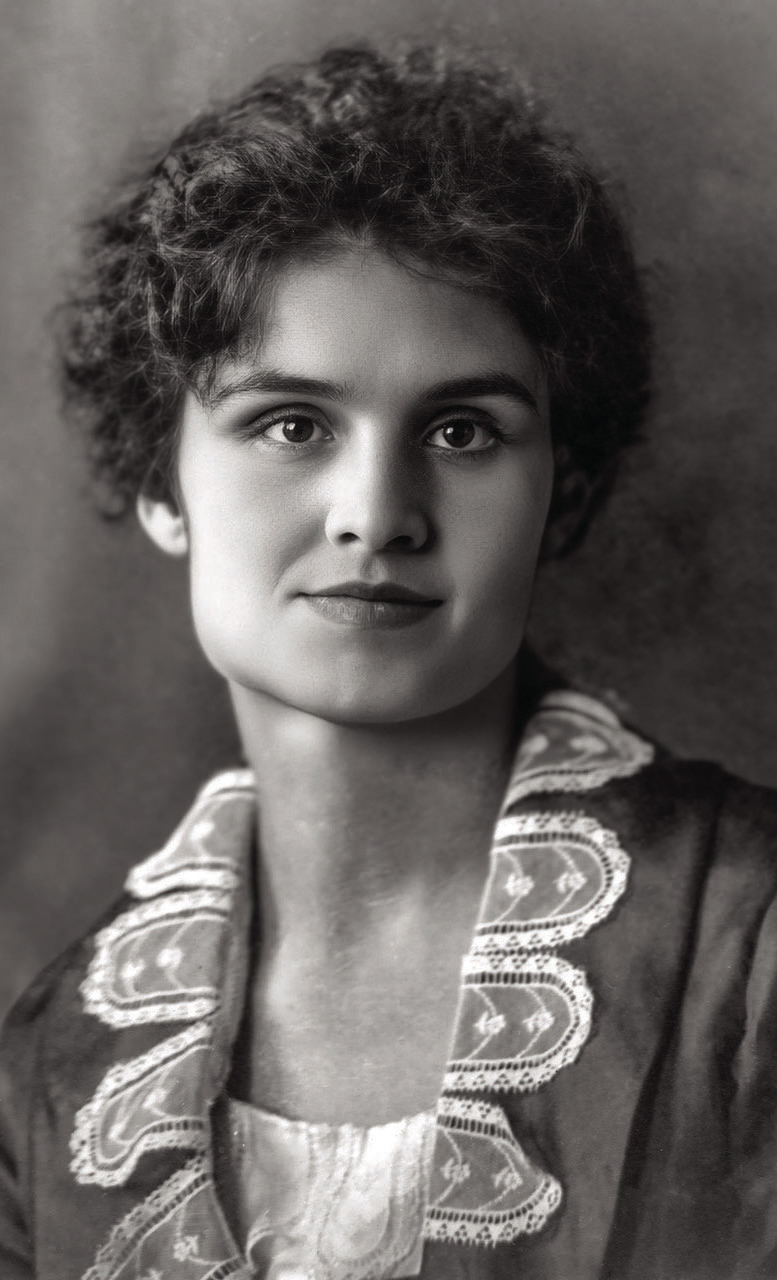
This Thursday, we will celebrate the cherished holiday of Thanksgiving. In the United States, Thanksgiving is celebrated on the fourth Thursday of November each year. It is a time for families and friends to come together, express gratitude, and enjoy a meal that often includes traditional foods like turkey, stuffing, cranberry sauce, and pumpkin pie. Rooted in history and evolving over the centuries, Thanksgiving blends unity, reflection, and appreciation.
The holiday traces its origins to the early 17th century when Pilgrims and Native Americans are said to have shared a harvest feast in 1621. The Pilgrims, struggling to survive in the New World, were aided by the Wampanoag people, who taught them essential agricultural skills. While the historical details of this event are complex and sometimes contested, it has become a symbol of cooperation and gratitude.
Thanksgiving was not immediately established as a national holiday. It became formalized in 1863 during the Civil War when President Abraham Lincoln, influenced by the efforts of writer Sarah Josepha Hale, proclaimeditadayofnational thanksgiving and prayer. In 1941, President Franklin D. Roosevelt signed legislation making Thanksgiving an official holiday, setting its date as the fourth Thursday in November.
Today, Thanksgiving is about more than history. It serves as a moment to pause, reflect, and appreciate the blessings of life, whether they be family, health, or opportunities. It is also a giving time, as many people volunteer to help those in need through food drives or community events. At its core, Thanksgiving remains a reminder of the importance of gratitude, community, and togetherness. It encourages individuals to focus on what they have rather than what they lack, fostering a spirit of appreciation that transcends the holiday.
Living a life of thanksgiving is more than just expressing gratitude on special occasions; it is a way of life that transforms our perspective, relationships, and inner peace. When practiced consistently, gratitude can enrich our daily existence and foster a deeper connection with ourselves, others, and the world around us. A life of thanksgiving calls for an intentional focus on appreciating life’s blessings, big or small and developing a heart of contentment.
However, living a life of thankfulness goes beyond saying “thank you” or acknowledging specific moments of joy. It involves cultivating an attitude of gratitude that permeates every aspect of life. This mindset recognizes the good things we oftentakeforgranted:health, relationships, opportunities, and challenges contributing to personal growth. A spirit of thanksgiving is not just a fleeting emotion but a deliberate choice to acknowledge and celebrate the positive aspects of life.
Research shows that gratitude profoundly affects mental, emotional, and physical well-being. Studies indicate that people who regularly practice gratitude experience lower stress levels, greater happiness, and improved resilience in adversity. Gratitude fosters stronger interpersonal relationships by encouraging kindness, empathy, and mutual appreciation.
Gratitude shifts the focus from what is lacking to what is present. In a world often driven by materialism and comparison, this shift allows individuals to find contentment and joy in the here and now. A life of thanksgiving teaches us that true happiness does not come from externalpossessionsbutfrom a heart that cherishes life’s inherent beauty.
However, living a life of thanksgiving does not mean we experience no pain or hardships because they exist. Instead, it means finding reasons to be grateful even under challenging circumstances. Adversity often reveals hidden blessings, such as the support of loved ones, opportunities for growth, or renewed appreciation for what truly matters. Gratitude in hardship builds resilience, reminding us that challengesaretemporaryand often lead to new beginnings.
Living a life of thanksgiving transforms how we view ourselves, others, and the world. It is a choice to focus on the positive, embrace contentment, and find joy in all circumstances. Gratitude enhances well-being, strengthens relationships, and builds resilience, making it a cornerstone of a fulfilling and meaningful life. By living a life of thanksgiving, we enrich our lives and inspire others to embrace the power of gratitude.
The Bible is rich with teachings on the importance of gratitude and thanksgiving. From Genesis to Revelation, Scripture calls believers to live a life of thanksgiving as a reflection of their relationship with God. Gratitude is not merely an optional virtue but a command that shapes the Christian walk. By fostering an attitude of thanksgiving,believershonor God, strengthen their faith, and experience joy and peace in their daily lives.
The Bible consistently ties thanksgiving to worship. Psalm 100:4 instructs, “Enter his gates with thanksgiving, and his courts with praise;givethankstohimand praise his name.” Gratitude is a central aspect of worship because it acknowledges God’s sovereignty and goodness. Through thanksgiving, believersrecognizeGodasthe provider of all blessings and the author of life.
Thanksgiving is also a response to God’s grace and mercy.IntheNewTestament, Paul writes, “Thanks be to God for his indescribable gift!” (2 Corinthians 9:15), referring to the gift of salvation through Jesus Christ. Living a life of thanksgiving allows believers to continually honor God’s work in their lives and proclaim His faithfulness to the world.
One of the Bible’s most striking teachings about thanksgiving is its call to give thanks in all situations. In 1 Thessalonians 5:18, Paul writes, “Give thanks in all circumstances; for this is God’s will for you in Christ Jesus.” This verse challenges believers to cultivate gratitude even in adversity, recognizing that God’s purposes are always good, even when life is difficult.
Living a life of thanksgiving in tough times reflects a deep trust in God’s character and plan. Romans 8:28 reassures believers that “in all things, God works for the good of those who love him.” By thanking God in every situation, Christians affirm their faith in His ability to bring beauty and purpose out of challenges.
The Bible encourages believers to practice thanksgiving daily. Colossians 3:17 states, “And whatever you do, whether in word or deed, do it all in the name of the Lord Jesus, giving thanks to GodtheFatherthroughhim.” This verse underscores that thanksgiving is not limited to specific moments but should permeate every aspect of life.
In today’s world, too few people seem to live a life of thanksgiving, and many are experiencing the opposite. It is estimated that approximately 28% of American adults and over 25% of children under 18 suffer from some anxiety disorder requiring medication. According to data from 2017, approximately 32 million Americans were prescribed anti-anxiety medications. It is believed this is due to so many people living lives of heightened stress and uncertainty about the future. That is, people cannot focus on the positive, embrace contentment, and find joy in all circumstances.
In my life, I have met only a few people who could always focus on the positive, be content in every situation and who found joy in all circumstances. One of those people was a long-time citizen of Marshall County and my great-grandmother, Dassie Harper May. She was known to all of us grandchildren as “Mamaw.”
Dassie Mae Harper was born on April 3, 1888, in Savoy, Texas, to Stanhope Augustus and Artemisia Florence Harper. Dassie was the third child of seven born to Stanhope and Artemisia. On March 18, 1906, Dassie married Bruce May, also from Savoy. From an early age, Dassie was a devoted Christian.
In September 1905, just a few months before their marriage, Bruce May accepted the “bookkeeper” job at the First National Bank in Kingston. He had previously held a similar position at the bank in Whitewright, Texas. After their wedding, they madetheirhomeinKingston.
Shortly after their mar- riage, Dassie became pregnant with their first child. At about six months, Dassie began experiencing issues with the pregnancy, and within a few days, their first child, a son, was born three months premature. They named him Robert Bruce “Bob” May.
Because of the pregnancy issues and premature birth, Bob was born with a cleft lip and palate. In addition, he was tiny and underweight. Because Bob was so small, a regular bassinet was too big to care for him safely, so Dassie used a shoebox as a bassinet and converted a dresser drawer into a “baby room.” Bob slept in the shoebox in the open dresser drawer for the first months of his life.
For the first several years of Bob’s life, he struggled with health issues due to being born prematurely, and he also required surgery for his cleft lip and palate. Through it all, Dassie worked hard, caring for him and ensuring he would survive and thrive. But in addition to his health issues, Bob also struggled with the stigma of his cleft lip and palate.
Historically, individuals with cleft lip often endured significant public scorn and social stigma. This was due to widespread misconceptions, superstitions, and a lack of medicalunderstandingabout the condition. In those days, physical differences, such as a cleft lip, were misunderstood and often attributed to divine punishment, witchcraft, or other supernatural causes. This led to individuals being ostracized or marginalized. People with visible facial differences were frequently viewed as “other” and faced discrimination, bullying, or exclusion. Because of this, Bob was very self-conscious about his appearance, and this led to self-esteem issues and insecurity. And, to the day he died, Bob rarely allowed a photo to be taken of him unless it was a profile photo where he could hide the scare from his cleft lip corrective surgery.
DassielovinglyhelpedBob through all those struggles, always ensuring he knew he could overcome and achieve whateverhewanted.Because of her encouragement and support, Bob became one of the most decorated athletes ever to attend Kingston schools. He was a multi-sport star and won many accolades for his athletic abilities.
In 1908, Dassie and Bruce welcomed their first daughter, Mary Evelyn. Then, in 1911, they welcomed their second daughter, Jennie Florence May. Jennie was my grandmother. In 1917, they had their third daughter, Annette, and in 1919, their last child, Ruth, was born.
Over the next few years, as Bruce worked his way up in the banking industry, the family moved from Kingston to Aylesworth, then to Kenefic, back to Savoy, and finally back to Kingston, where when Bruce became the President of the First National Bank of Kingston.
Then, in 1926, Marshall County experienced an outbreak of typhoid fever, and Dassie suffered the worst tragedy any parent could suffer. In late September, Dassie’s youngest daughter, Ruth,contractedtyphoid. For the next month, Dassie and Ruth stayed confined in one bedroom of their home to protect the other four children. While caring for Ruth, Dassie contracted typhoid, and she became quite ill herself. Despite being almost bedridden due to the typhoid, Dassie cared for Ruth’s every need. Sadly, after about a month, Ruth died on October 19th.
To make matters worse, even though Dassie survived, the typhoid robbed her of her hearing, and she was rendered completely deaf. She could no longer hear the voices of her loving children orherhusband,Bruce. While she could talk, she could only communicate through sign language, lip reading and note-writing. It wasn’t until the late 1940s that Dassie finally regained a slight level of hearing in one ear with the invention and availability of electronic hearing aids.
In the early 1930s, Dassie and Bruce moved to Madill after the First National Bank in Kingston Closed. The Kingston bank had been purchased by the First National Bank of Madill, and upon its closure, Bruce became the Vice President of the Madill Bank. In 1920, Dassie lost her father, and then, in 1936, she lost her mother.
In 1938, tragedy once again struck the May family when their daughter Jennie Florence died five days after giving birth to her third son, WalterBruceHenry. In1928, Jennie married the Kingston School Superintendent, George Skipworth Henry. They had two other sons, George Skipworth “Skippy” Henry, Jr., born in 1933, and Thomas Christian Henry, born in 1936. During the delivery of Walter Bruce, and over the next few days, Jennie developed a severe infection. Because antibiotics had not yet been developed, she died due to her illness.
Jennie’s death left George with three sons, aged four, two and five days of age. And because of his job as the Kingston school Superintendent, he could not care for all three. So, Dassie and Bruce took the newborn to Madill, where Dassie became his surrogate mother. Thomas Christian went to live with George’s Aunt, Mattie Christian and her husband Tom, and Skippy stayed with George.
Sadly, tragedy was no stranger to Dassie and Bruce, and sixteen months later, they lost their two-year-old granddaughter, Jennie Ruth May, to pneumonia. Jennie Ruth was the daughter of Bob and his wife, Marguerite 'Mattie'Spence. JennieRuth had first contracted measles but then developed pneumonia, and the combination was too much, and she passed away after several weeks of illness.
After about two years, George wanted all three of his sons back with him, so he asked Dassie and Bruce to move in with him so that Dassie could care for the boys whileGeorgecontinuedworking. So, Dassie and Bruce moved from Madill to Kingston, where Dassie would be the mother of the three boys. They would continue to live with George and the boys untilWalterBrucegraduated from high school in 1957. For over fifteen years, Dassie cared for her grandsons. She tended to their illnesses, cooked, cleaned, helped the boys with their homework and made sure the family was involved in the Kingston Church of Christ.
In 1949, Dassie lost her sister, Minnie Lee; then, around 1956, Dassie and Bruce’s only son, Robert Bruce, was diagnosed with lung cancer. For the next five years, Bob slowly lost his battle with cancer, and he passed away on September 16, 1951. For some time, Dassie helped care for Bob, but his death was quite a blow to the family.
In 1968, Dassie experienced two more sad and seemingly devastating blows. First, her beloved brother, Wade Hampton Harper, passed away, and then her husband of sixty-two years died. Bruce had been ill for a few weeks and, unable to recover, passed away on July 21, 1968, in an Ardmore hospital. At this point in her life, Dassie had lost two children, agrandchild,twosiblingsand now her husband.
In 1977, Dassie lost her firstborn grandchild, Robert Beecher May, and then in 1979, she lost her other brother, Clarence Blanton Harper. Then 1982 was another year of loss for Dassie. In September, Dassie lost her third sibling, her sister Bonnie. Then, one month later, her daughter, Mary Evelyn, passed away after a short illness.
At this point in her life, Dassie had lost her parents, all her siblings but one, her husband, four children and two grandchildren. After all that loss, most people would be bitter and unhappy. Many would blame God for their losses and complain about what they no longer had. But not Dassie May.
I knew Dassie for twentysix years, and during that time, I never heard her complain or saw her down or sad. She was always happy and looking forward to the next day, never concerned about what it might bring or what might happen. She never worried about what she did not have. She read her Bible daily and knew God loved her, and Jesus had prepared her a room in the mansion on the hilltop.
For many years, Dassie listened to the noon news on KMAD Radio. Back then, when Sky Corbin delivered the news, he always gave hospital and nursing home reports. He consistently named those admitted or released by the hospital or who moved into or out of the nursing home. Today, such reports would result in lawsuits against radio stations. Well, one day, my dad asked her if she ever visited the nursing home, and I will neverforgetherresponse.She looked at Dad and said, “No! That place is full of old people, and I don’t like being around old people.” What was funny, though, was Dassie was in her late 80s or early 90s and likely older than every nursing home resident, yet she did not want to visit there because she did not want to be around “old” people. She did not view herself as “old.” To the day she died, Dassie never felt “old.”
For most of her adult life, Dassie made plum jelly with plums from a tree in her backyard. On one visit, when we got to her house, she was in the kitchen working on a batch of jelly and on the counter was a bowl full of fresh plums. One of us asked her where she got the plums, and she told us they came from her plum tree. We were all confused by her response because the tree was tall enough that she could not reach any of the plums, so Dad asked her who picked them for her. Her response both amazed and terrified us all. She said, “No one; I climbed the tree and shook thelimbsandmadetheplums fall off, then I climbed down and picked them up off the ground.” We were mortified. Dad then said, “Mamaw, you could have fallen and broken an arm or leg. Why didn’t you get someone else to do that?” Her response was mindboggling. She said, “Oh, Skippy, anyone else would break the tree limbs, and I don’t want them broken.” And she continued to climb that tree into her late 80s or early 90s.
Throughout my life, I never saw Dassie May shed a tear for herself or her losses. Even when my greatgrandfather died or her daughter Mary passed. Yes, shegrievedtheirpassing,and she missed their presence. But she never viewed their passing as a loss because she knew they weren’t lost. She knew where they were, and they were waiting for her. But she did cry for others. One of my favorite stories about Dassie May was told to me by my cousin, Mary Lou Beard. When she was young, Mary Lou spent the night with Dassie. But Mary Lou had forgotten her baby doll, and she was sad and crying because she missed her doll and could not sleep. Seeing Mary Lou’s distress and sadness, Dassie was moved to tears. She was not sad about the doll but because of her love and compassion for Mary Lou.
Dassie told Mary Lou she would make her a baby doll to remedy the situation. Mary Lou told me, “Bless her heart, she tried to make me one (baby doll). I’ll never forget watching her go to so much time and trouble for me. She took a towel and rolled it up tight, then put rubber bands around it for the head and body and painted the eyes, nose and mouth and curly hair with ribbon. Then she wrapped it in a big white cup towel. I loved it, and it was a perfect baby doll. I kept it until it fell apart.” Mary Lou named the towel baby Nanette because Dassie had told her that before Dassie’s daughter Ruth passed from typhoid fever, she called Annette, Mary Lou’s mother, Nanette.
In her later years, Dassie told my dad she wanted him to preach at her funeral. She thentoldhimtostartworking on her eulogy. Through tears, he told her he did not want to think about her death or her funeral, but she insisted. On our next visit to Madill, one of the first things she asked was, “Skippy, have you gotten my eulogy written yet?” Of course, he had written one word, much less thought of her death or funeral, so he told her, “No, Mamaw, I cannot stand thinking about your funeral.” To which she replied, “Skippy, I want you to get it written because I want to hear what you plan onsaying;Iwanttomakesure yousaynicethingsaboutme.” Fromthatpointforwarduntil her death at 98 years of age, every time we came to Madill to see her, she would ask, “Skippy, have you written my eulogy yet?” And every time, he said no. But what was beautiful was when she talked about the day of her passing, she did so with joy and anticipation.
But what impressed me most about Dassie May was her happiness and contentment in life. Despite losing four children, two grandchildren, her parents, four siblings, and her husband, she was always happy. She was content with what she had and always talked about how blessed she was and how God never let her down. She never complained, and I never saw her sad or down. She was always upbeat and happy. And she loved spending time with her family. And whenever family would visit, she insisted on fixing a big meal, even when she was well into her 90s.
Every night, before going to bed, she knelt at her bedside and prayed to God. Because of her hearing loss, she always talked very loudly so we could hear what she said when she prayed. She believed that prayers should be spoken out loud and not silently. She always thanked God for his abundant blessings and grace and always asked him to take her home that night. But her prayer for death was not out of depression or sadness. It was not because she no longer enjoyed life or her family. It was out of a desire to go home to be with God. She knew where she was going, and she joyously anticipated her reward. On one occasion, Dad asked her why she prayed for God to take her home, and she said, “I have more people waiting for me on the other side than I have here on earth, and I’m ready to go home and see them all.”
Dassie May exemplified the words of the Apostle Paul in his letter to Timothy when he said, “I have fought the good fight, I have finished the race, I have kept the faith. Henceforth there is laid up for me the crown of righteousness, which the Lord, the righteous judge, will award to me on that day, and not only to me but also to all who have loved his appearing.”
She had fought the good fight, finished the race, and kept her faith. Despite all she had lost, she lived a life of thanksgiving. She never focused on what she lost but on what she had. She lived a life of gratitude that honored God.
Recently, Mary Lou wrote this about Dassie May. “I never heard her complain about anything. She went through the deaths of four children and her husband, yet she had a servant’s heart, with patience, love and grace. She’s as close as they come to an angel on earth.” I couldn’t agree more.
Dassie May's attitude of gratitude permeated every aspect of her life. Her mindset recognizedwhatsomanytake for granted. She focused on God and her family. To her, a spirit of thanksgiving was not just a fleeting emotion but a deliberate choice to acknowledge and celebrate the positive aspects of life. It was more than a fleeting emotion;itwasanintentional choice to worship God and trust His plan. To reflect on His goodness in every area of life. Dassie May cultivated an attitude of gratitude, and because of that, she grew in faith, experienced more profound joy and contentment, and drew closer to God. A life of thanksgiving teaches us that true happiness does not come from external possessions but from a heart that cherishes life’s inherent beauty.
Please know I do not share this story to brag about my family, but instead, I wanted to share with you the truth that when people live a life of thanksgiving and faith in God, they can overcome any obstacle or loss life throws at them. Dassie May was the perfect example that living a life of thanksgiving can bring joy and peace in a troubled world.
I hope you have a wonderful Thanksgiving with your family and friends. More importantly, I pray that you recognizethattruehappiness comes from living a life of thankfulness.
In1897,JohnsonOatman, Jr. wrote the song “Count Your Blessings,” a beloved hymn encouraging believers to recognize and reflect on their blessings, even in times of difficulty. The words of that song show how we should live our lives.
“When upon life’s billows you are tempest-tossed, When you are discouraged, thinking all is lost, Count your many blessings, name them one by one, And it will surprise you what the Lord hath done.
Are you ever burdened with a load of care? Does the cross seem heavy you are called to bear? Count your many blessings, every doubt will fly, And you will be singing as the days go by.
When you look at others with their lands and gold, Think that Christ has promised you His wealth untold; Count your many blessings—money cannot buy, Your reward in heaven nor your home on high.
So, amid the conflict, whether great or small, Do not be discouraged, God is over all; Count your many blessings, angels will attend, Help and comfort give you to your journey’s end.
Count your blessings, namethemonebyone,Count your blessings, see what God hath done; Count your blessings, name them one by one, And it will surprise you what the Lord hath done.
Happy Thanksgiving.