
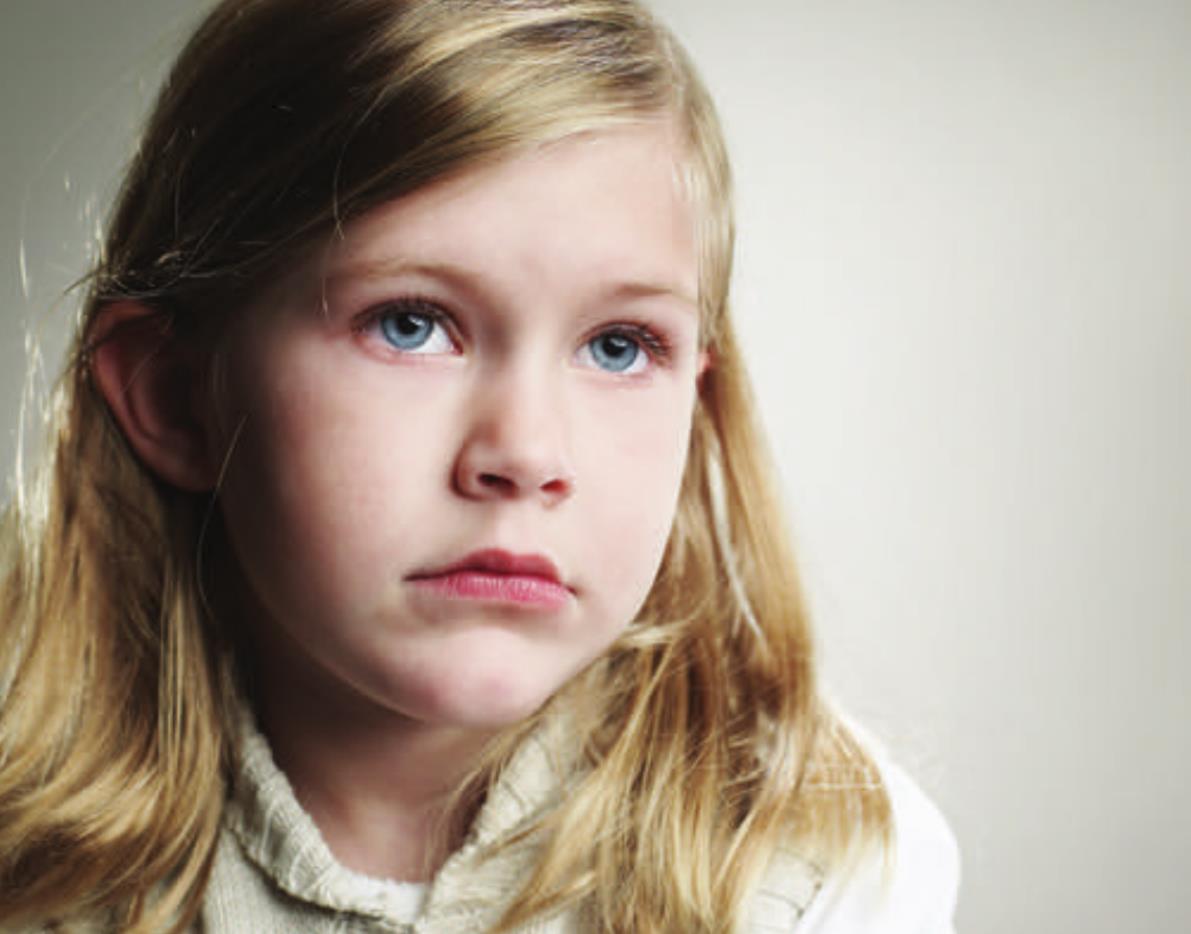
As public health officials increasingly offer optimistic outlooks regarding the COVID-19 virus, millions of people across the globe are looking forward to life after the pandemic. Pickingup after the pandemic may prove easier for some than others, and those who were victims of abuse over the last two years, including children, may be wondering what lies ahead.
A study presented to the American Academy of Pediatrics in late 2021 found that physical abuse of school-aged children tripled during the early months of the pandemic. That period coincided with stay-at-home orders issued to prevent the spread of COVID-19. TheAdministration ofChildren and Families, a division within the U.S. Department of Health and Human Services, notes that, in 2018, 16 percent of children who were abused experienced more than one kind of maltreatment. The ACF also notes that a child's reaction to abuse or neglect can have lifelong and even in tergenera tional impacts.
Individuals who hear such statistics may wonder what they can do if they suspect a child is being abused or neglected. In recognition of that, the ACF, in conjunction with the Children's Bureau, offers these tips on reporting child abuse and neglect.
• Call 911 if you suspect immediate danger. Individuals are urged to call 911 if they suspect a child is in immediate and serious danger. Anyone can make such a call, and contacting authorities quickly can help to save a child's life.
• Report abuse. Various agencies, including law enforcement, can be contacted if people suspect a child is being abused. Visit the website of a local child protective services agency to access contact information. If that information proves hard to find, contact your local police department. Individuals also can call the Childhelp National Child Abuse Hotline at 1.800.422.4453. Professional crisis counselors are available 24 hours a day, seven days a week, in more than 170 languages. All calls to the hotline are confidential.
The ACF notes that any reasonable su spicion of child abuse is sufficient to report. When reporting suspected child abuse, individuals are urged to provide a complete, honest account of what they observed, explaining what led them to suspect an instance of abuse or neglect.
Individuals who spend considerable time around children, including parents, educators and health care workers, are urged to t ake child abuse training with the utmost seriousness. All people concerned by child abuse can access an assortment of resources about identifying child abuse and neglect. Various agencies and websites offer such information , and links to such sites can be found at childswelfare.gov/topics/can/identifying/.