
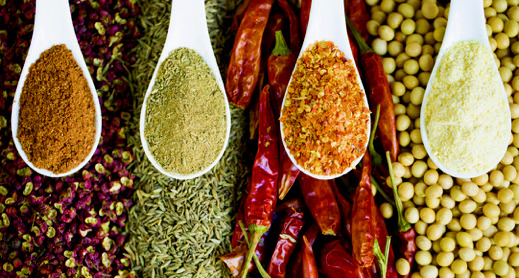
Cumin, a small unassuming seed, has played a surprisingly large role in shaping cuisines, cultures and even ancient medical practices across the globe. With its earthy aroma and warm, slightly bitter taste, cumin has stood the test of time, finding a place in everything from Indian curries and Mexican tacos to Middle Eastern stews and ancient healing remedies.
Cumin (Cuminum cyminum) is one of the world’s oldest cultivated spices. Native to the eastern Mediterranean and parts of India, cumin has been used for over 5,000 years. Archaeological records show cumin seeds were discovered in the tombs of the Pharaohs in Egypt, where it was prized for both its culinary and preservative properties.
The ancient Greeks and Romans also embraced cumin, using it much like we use black pepper today, frequently and liberally. During the Middle Ages, cumin became a symbol of love and fidelity in Europe. It was commonly carried by soldiers heading off to war or tucked into the wedding attire of brides to ensure lasting affection.
In modern times, cumin is a staple spice across a wide range of cuisines. Its flavor is often described as warm, nutty, peppery and slightly citrusy with an undertone of bitterness.
When toasted or fried in oil, cumin releases essential oils that enhance its flavor dramatically, creating the backbone of many globally loved dishes. In Indian cuisine, cumin seeds are often used whole in a cooking method called “tempering,” where they're briefly fried in oil to flavor dals and curries.
In Latin America, ground cumin adds depth to taco meat, beans and stews. Middle Eastern dishes like falafel, hummus, and kebabs often rely on cumin for their distinctive flavor. It’s also one of the key ingredients in spice blends like garam masala, chili powder, and curry powder.
Cumin’svaluegoesbeyond flavor, it has a long history in traditional medicine, particularly in Ayurvedic and Persian systems of healing. Ancient texts describe cumin as a remedy for digestive problems, from bloating and gas to indigestion and stomach cramps.
Modern science has begun to validate some of these age-old beliefs. Cumin contains compounds like cuminaldehyde and thymol, whichhaveantioxidant,antiinflammatory and antimicrobial properties.
Research suggests cumin may help regulate blood sugar, improve cholesterol and even support weight loss. In many cultures, cumin tea, made by boiling seeds in water, is still used today to ease upset stomachs and promote detoxification.
Though it has traveled the world over centuries, cumin continues to be a universal spice in kitchens and medicine cabinets alike. Whether it's spicing up chili in Oklahoma, seasoning kebabs in the Middle East or settling a stomachinruralIndia,cumin proves that sometimes the smallest ingredients leave the biggest impressions.
So, next time you reach for that little jar in the spice rack, remember, you're not just adding flavor. You're sprinkling a bit of history, healing, and global tradition into your meal, and to get you started here is an easy recipe to try at home.
Cumin-Spiced Mexican Black Beans This recipe is simple, flavorful, and can be used as a side dish, taco filling, or served over rice.
2 tablespoons olive oil 1 small onion, finely chopped 2–3 garlic cloves, minced 2 teaspoon ground cumin 1/2 teaspoon chili powder 1/2 teaspoon smoked paprika 2cansblackbeans,drained and rinsed 1/2 cup water or vegetable broth Salt and pepper to taste 1 tablespoon lime juice Chopped cilantro for garnish In a skillet, heat olive oil over medium heat. Add chopped onion and sauté until soft (about 5 minutes). Add garlic and stir for 30 seconds,thenaddcumin,chili powder,andsmokedpaprika. Stir constantly for 1 minute , this 'blooms' the spices, making the cumin shine. Stir in the black beans and water or broth. Simmer on low heat for 10–15 minutes, stirring occasionally, until the beans are soft and the liquid thickens slightly. Add salt, pepper, and lime juice to taste. Garnish with fresh cilantro if desired.