
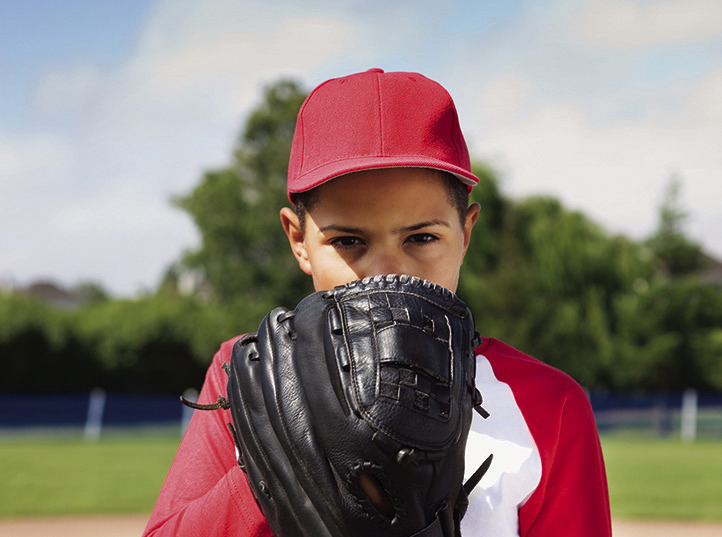
Participation in sports can be an ideal way for children to make new friends, get the recommended daily physical activity and learn important lessons they can apply throughout their lives. While youth sports participation is beneficial for many reasons, a growing number of child athletesaresufferingoveruse injuries.
Whatareoveruseinjuries? TheAAPdefines“overuse” as a child’s body not being able to keep up with the demands a certain activity places on it. For example, if a basketball player practices a three-point shot for hours each day and goes on to play multiple games each week, there may not be time for the body to recover from the strain. An estimated 50 percent of all sports-related injuries in kids result from overuse, indicates the AAP.
Boston Children’s Hospital says that overuse injuries create microtraumas that result from repetitively using the same parts of the body. These injuries can affect bones, muscles, tendons, and ligaments.
What are the symptoms of overuse?
Pain and inflammation often are early symptoms of an overuse injury. Performance may falter due to the injury, and playing through the pain can make it worse and ultimately sideline young athletes.
What are the most common overuse injuries?
According to Boston Children’s Hospital, these are the most common overuse injuries:
• Jumper’s knee (patellar tendinitis), which is characterized by tenderness right below the knee or upper shin area.
• Avulsion factures, which occur when a piece of a growing athlete’s growth plate separates from the rest of the bone.
• Little League elbow or Little League shoulder, which is pain in these areas that develops after an activity like throwing a ball.
• Osgood-Schlatter disease, which is painful irritation and swelling from the constant pulling of the patellar tendon on the area below the knee.
• Sever’s disease, which is heel pain that typically emerges after running or jumping.
Can overuse injuries be prevented?
Johns Hopkins Medical says diversification can help prevent overuse injuries. That means playing different sports or activities so athletes are not continously putting stress on the same muscles and joints.
Parentscanlimitthenumber of teams their children are on at any given time, and facilitate and encourage rest betweenpracticesandgames.