Men and women are drawn to nursing for various reasons. One of the primary motivators is the chance to provide potentially life-saving care and support. Despite the fact that a career in medicine has inherent risks, thousands of nurses will graduate to fill the roughly 200,000 jobs the United States federal government estimates will be created between 2016 and 2026.
Infectious airborne diseases like COVID-19 or other drug-resistant contagions like MRSA and carbapenem-resistant enterobacteriaceae (CRE) are dangerous conditions nurses must face. Contact with sharps can be another treacherous component of nursing. The American Nursing Association indicates that hundreds of thousands of health care workers are exposed to potentially deadly diseases like Hepatitis C and HIV through needlestick and sharps injuries every year.
Nurses often move quickly and try to multitask in the name of fast patient response. Sometimes people accidentally get stuck. Other incidents may occur when using needles or other devices in ways they are not intended to be used. Some professionals may not be fully educated in a particular device, including its safety mechanisms. Health care workers can take the time to refresh safety practices regarding sharps to protect the entire team.
• Familiarize yourself with devices. New devices are being introduced and nurses should familiarize themselves with how they work prior to using them, ideally in low-stress situations. This ensures the safety features are thoroughly explored.
• Discard malfunctioning equipment. If the item doesn’t work, it should be discarded safely and immediately to ensure the safety of both patients and nurses.
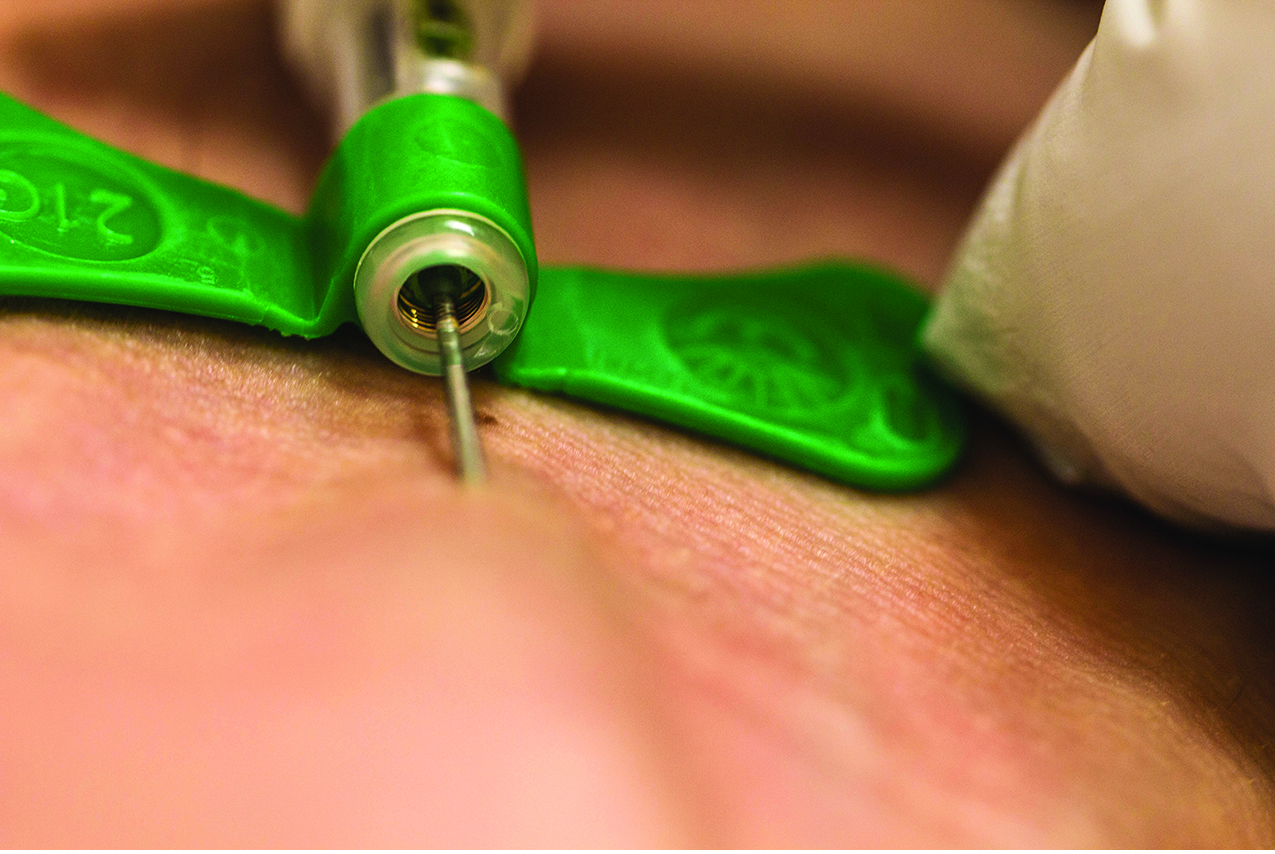
• Use safe devices. According to the National Institute of Occupational Safety and Health, the design of a device can increase the risk of injury. NIOSH says specific features make certain devices more dangerous. These include: devices with hollow bore needles; needle devices that need to be taken apart or manipulated by the health care worker, like blood-drawing devices that need to be detached after use, syringes that retain an exposed needle after use and needles that are attached to tubing like butterflies that can be difficult to place in sharps disposal containers.
• Maintain a log. Facilities should maintain a sharps injury log to track the type of device, including the brand, that was involved in the injury.
• Slow down. Injuries can occur when hurrying to complete tasks. Nursing.com notes that taking one’s time and thinking through the process can help prevent incidents.
Preventing injuries resulting from sharps and needlesticks should be on the minds of nurses and everyone on a health care team.
