
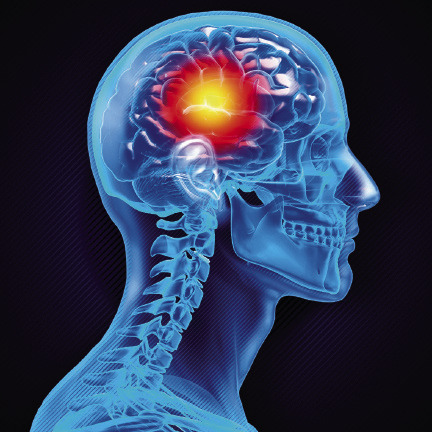
Stroke has been described as a “brain attack.” Stroke occurs when blood flow to a part of the brain becomes blocked or when a blood vessel in the brainbreaks,whichcandamage or kill brain cells. The Office of Disease Prevention and Health Promotion says stroke is a leading cause of death and long-term disability in adults. It also can cause irreversible damage to the brain.
Individuals who experience stroke may end up with memory problems or experience difficulty thinking or forming words. Mobility issues like difficulty walking or paralysis and weakness may occur. Some individuals also may experience incontinence and other issues resulting from neurological damage.
Although stroke can come out of the blue and is not always preventable, there are several steps people can take to help reduce their risk for stroke.
• Reduce blood pressure numbers. High blood pressure, alsoknownashypertension, is a significant risk factor for stroke, says Harvard Health. Doctors may advise patients to work to lower blood pressure to between 140/90 to 120/80.
• Work to lower BMI. Overweight or obesity increases risk for stroke, says the Centers for Disease Control and Prevention. Losing weight and maintaining a health body mass index can help lower stroke risk.
• Exercise more often. Routine physical activity can not only help a person lose weight, but also lower cholesterol and blood pressure levels — all of which are risk factors for stroke. The U.S. Surgeon General recommends individuals get a minimum of two hours and 20 minutes of moderateintensity aerobic activity each week.
• Get a cholesterol check. High cholesterol can increase risk of stroke, which makes routine cholesterol checks important. The Office for the Assistant Secretary of Healthsayspeopleshouldget their cholesterol checked at least every four to six years, with some needing to get it checked more frequently.
• Drink only in moderation. Alcoholcanincreaserisk of high blood pressure. Individuals should reduce their alcoholintake,withonedrink or less for women and two drinksorlessformenperday.
•Knowyourfamilyhealth history. Knowing one’s family health history may illustrate a risk for genetic health conditions that can make a person more likely to experience stroke.
• Treat heart disease. Do not delay medical treatment for heart disease. Heart conditions like coronary artery disease or atrial fibrillation should be addressed promptly to prevent stroke.
Stroke is a serious medical condition that can leave a person debilitated. That is why it is key to reduce risk of stroke throughout one’s life.