
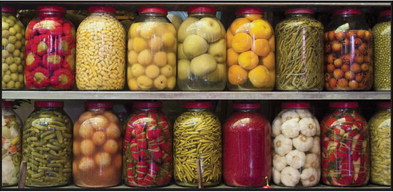
Whether fruits and vegetables are purchased at the grocery store or the farmers market — or picked straight from the garden — proper storage is key to maintaining the best flavor and value.
Consumers often think fresh fruits and vegetables need to be stored in a refrigerator. Surprisingly, not everything goes where most people normally put it when they get home from the store or come in from the garden. Melons such as cantaloupe, for example, should be stored on the counter in the kitchen or somewhere darker. The flavor is going to continue to develop for a few days before it’s consumed. Once cut, however, it needs to be stored in the refrigerator. This is true for any produce that has been cut.
Greens such as spinach, lettuce, Brussels sprouts, broccoli and cabbage, as well as carrots, always should be stored in the refrigerator. Other garden favorites such as potatoes and onions need to be stored at room temperature. Potatoes are going to develop more sugar if stored in the refrigerator, making them too sweet for many of the uses consumers have for them in the kitchen.
The fragrance of some fruits will help you determine when they’re ready to eat. Tropical fruits such as pineapple should be left on the counter. When you walk into the kitchen and the room is filled with that sweet pineapple fragrance, youknowit’stimetocutitand consume it. When shopping for pineapple, some consumers may pull the leaves from the pineapple in an effort to determine ripeness, but Brown said to look at the eyes on the skin and make sure they’re uniform. This uniformity makes a better pineapple. Other tropical fruits such as bananas and mangos should be stored on the counter.Tropical fruits stored in the refrigerator, particularly if they’re not quite ripe, actually will suffer cold damage because they’re grown in a warmer temperature. The flavor will never fullydevelopasitwouldwhen stored at room temperature. Also, oranges should be left on the kitchen counter until they’re very ripe.
Apples are interesting because they’re fine on the counter for about seven days, but after that, they should be refrigerated to extend their life. Avocados and pears should be stored on the counter until they’re ripe. This requires checking on them fairly regularly, so you’re sure to get them in the fridge at the right time to keep them from spoiling.
To speed up the ripening process, put those apples, pears and avocados in a brown paper bag. This will keep the gases emitted around the fruit and they will ripen faster.
No matter what kind of tomatoes you prefer — whether grape, cherry or larger varieties such as beefsteak — they never should be stored in the refrigerator until they’re cut. Putting them in the refrigerator can greatly diminish the flavor.
Most grocery store produce comes with some sort of information sticker or price tag on it. For items with a hard skin such as oranges or bananas,consumerscantake off the sticker without causing any damage. However, with soft-skinned items like tomatoes or plums, consumers should remove stickers right before washing and eating them. The removal of a sticker, no matter how gentle, will bruise the skin.
None of us want to waste money on produce that is damaged by improper storage. Your gardens soon will be providing a bounty of selections, and the produce section in the grocery store or the farmers market also will be offering a great selection of fruits and vegetables. Knowing how to properly store these will help ensure you get to experience peak flavor.
Oklahoma State University, as an equal opportunity employer, complies with all applicable federal and state laws regarding nondiscrimination and affirmative action. Oklahoma State University is committed to a policy of equal opportunity for all individuals and does not discriminate based on race, religion, age, sex, color, national origin, marital status, sexual orientation, gender identity/expression, disability, or veteran status with regard to employment, educational programs and activities, and/or admissions. For more information, visit https:///eeo.okstate.edu.