
As summer temperatures climb toward their yearly peak, air conditioners across the area are working overtime. Formanyhomeowners, that means higher electric bills, longer run times and, in somecases,anairconditioner that seems to be struggling to keep up.
Whether residents have a central indoor-outdoor system,aheatpumporawindow air-conditioning unit, a little maintenance can make a big difference in keeping their equipment operating efficiently and helping their home stay comfortable.
One of the simplest and most important things homeowners can do is check the air filter. A dirty or clogged filter restricts airflow, forcing the system to work harder and longer.
During periods of heavy use, filters may need to be checked more frequently than the manufacturer's normal recommendation. If the filter is dirty, replace or clean it according to the unit's instructions.
For central air-conditioning systems, homeowners should also take a look at the outdoor condenser unit. Grass clippings, leaves, dirt and other debris can collect around the unit and restrict airflow.
Keep the area around the condenser clear, generally allowing at least a couple of feet of unobstructed space. Turn the system off before attempting to remove debris from around the unit and never bend or damage the delicate fins.
The outdoor coils can also become dirty over time. A layer of dirt makes it more difficult for the system to release heat, causing the unit to run longer.
Light cleaning may be possible with the power turned off but homeowners should follow the manufacturer's instructions and avoid using excessivewaterpressurethat could damage the fins.
Inside the home, keep vents and registers open and unobstructed. Furniture, rugs, curtains and other objects blocking vents can reduce airflow and make some rooms considerably warmer than others.
Another way to reduce the workload on an air conditioner is to limit the amount of heat entering the house. Close blinds or curtains on windows receiving direct afternoon sunlight.
Keep doors and windows closed while the air conditioner is running and avoid unnecessary use of ovens and other heat-producing appliances during the hottest part of the day. Ceiling fans can also help people feel cooler.
Fans do not actually lower the temperature of a room but moving air across the skin can make a room feel more comfortable. This can allow homeowners to set the thermostat a little higher without sacrificing comfort.
For those using window units, make sure the filter is clean and that the unit's exterior portion is free of leaves, grassandotherdebris.Check the seal around the window unit as well.
Gaps can allow hot outside air to enter while cooled air escapes. The unit should also be installed securely and positioned according to the manufacturer's instructions.
Window units should not be forced to cool a space substantially larger than their rated capacity. An undersized unitmayrunalmost continuously on extremely hot days and still fail to bring the room to a comfortable temperature.
Forcentralsystems,homeowners should pay attention to unusual changes in performance. If an air conditioner runsconstantlybutthehouse continues getting warmer, produces unusual noises or odors, repeatedly freezes up or begins blowing warm air, it may be time to call a qualified HVAC technician.
A frozen indoor coil is not necessarily a sign that the system simply needs more refrigerant. Restricted airflow, dirty components and other mechanicalproblemscanalso cause freezing. Continuing to operate a malfunctioning systemcanmaketheproblem worse.
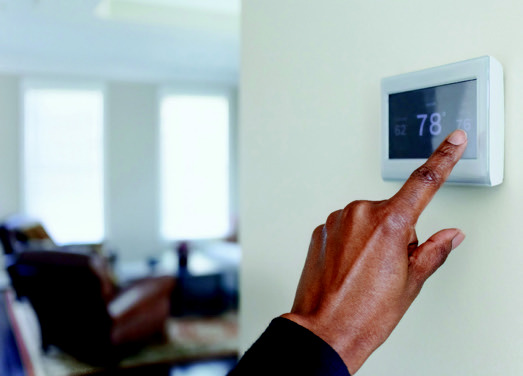
Homeowners should also resist the temptation to set the thermostat dramatically lower when the house is hot. Setting it to 60 degrees instead of 72 does not make the system cool the house faster.
It simply gives the system a lower temperature to reach and can result in longer operation. Instead, set the thermostat to a reasonable temperatureandgivethesystem time to work. Programmable or smart thermostats can also help reduce energy use by automatically adjusting thetemperaturewhenthe home is unoccupied.
One often-overlooked problem is airflow through the house. If some rooms are noticeably colder than others or certain areas receive very little air, there may be ductwork problems, leaks or an airflow imbalance.
Those issues are best evaluated by an HVAC professional. Perhaps the most important advice during an extreme heat wave is to know when to call for help.
Air conditioners are designed to work hard during hot weather but continuous operation combined with poor cooling can indicate a problem. Getting a system inspected before it completely fails can sometimes prevent a much more expensive emergency repair. A little attention can go a long way. Keeping filters clean, maintaining clear airflow, protecting the outdoor condenser, reducing heat entering the home and having equipment professionally serviced when necessary, can help an air conditioner operate at its best. With temperatures soaring, the goal is simple: keep the cool air inside, keep the heat outside and give your air conditioner every opportunity to do its job efficiently.