
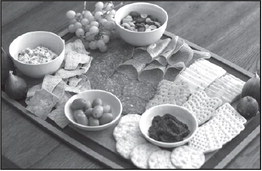
Charcuterie boards are a new fad in the culinary world. Even though it has recently become popular, charcuterie has deep roots.
Thetermcharcuterie-pronounced “shar-KOO-ter-ree,” - is derived from the French words for flesh and cooked. It was the practice of salting and smoking meats, such as bacon, ham, sausage, terrines, galantines, ballotines, pâtés, and confit, primarily from pork and beef.
The art of preserving them dates back about 6,000 years to ancient Rome. Charcuterie is rooted in the belief that nothing from the animal should be wasted, not even the heart, lungs, kidneys, fat, or brain.
Atypicalcharcuterieboard consists of mainly meats and cheeses. However, at many restaurants or house parties, it’s common that the boards include bread, fruits, nuts, condiments such as honey or mustard, pickles, and olives.
Cheese is all about preference and using contrasting so each bite can have a different flavor profile to it, but it comes down to what pairs better with the meat on your platter. A typical board has a variety of different cheeses.
Some of the best types of cheese include hard cheese. These include parmesan and asiago. For firm cheese, try Colby, comet, and Manchego. The semi-soft cheeses can include some Havarti and muenster, and for soft cheese, try burrata, stracchino, and mascarpone.
Blue cheese includes gorgonzola, marbled blue jack, and Dunbarton blue. For the crumbly cheese lovers, use goat cheese and feta. So, pick and choose your flavors or even pick your ingredients based on a themed event or function and enjoy and have fun.
Here is a simple recipe to get you started.
7 ounces Brie cheese 5 ounces goat cheese ½ cup Colby-Jack cheese, cubed 6 white Cheddar sticks wrapped in spicy salami 1 package thinly sliced prosciutto ½ cup chorizo bites ¼ cup pitted green olives ¼ cup black olives 1 cup green grape 1 sleeve of your favorite crackers.
Arrange all items on a platter and enjoy