
Oklahoma has a storied past and the trails that predate statehood lead to some of its most mysterious places. Many of these sites still exist and the remains of their buildingsmayholdmorethan meets the eye when it comes to local stories and folk lore.
The list of allegedly haunted places in Indian Territory is long, but a few iconic locations remain—placesdefined by more than scattered recollections.
Oneofthebest-knownand mostthoroughlydocumented sites close to home is Fort Washita in Bryan County. The fort has a rich history.
It was established in 18411842 to protect members of the Chickasaw and Choctaw nations following their removal, as well as white settlers, trappers and others in the area. Stories of eerie encounters at Fort Washita grew from the turmoil surrounding forced relocation, disease outbreaks and the Civil War era.
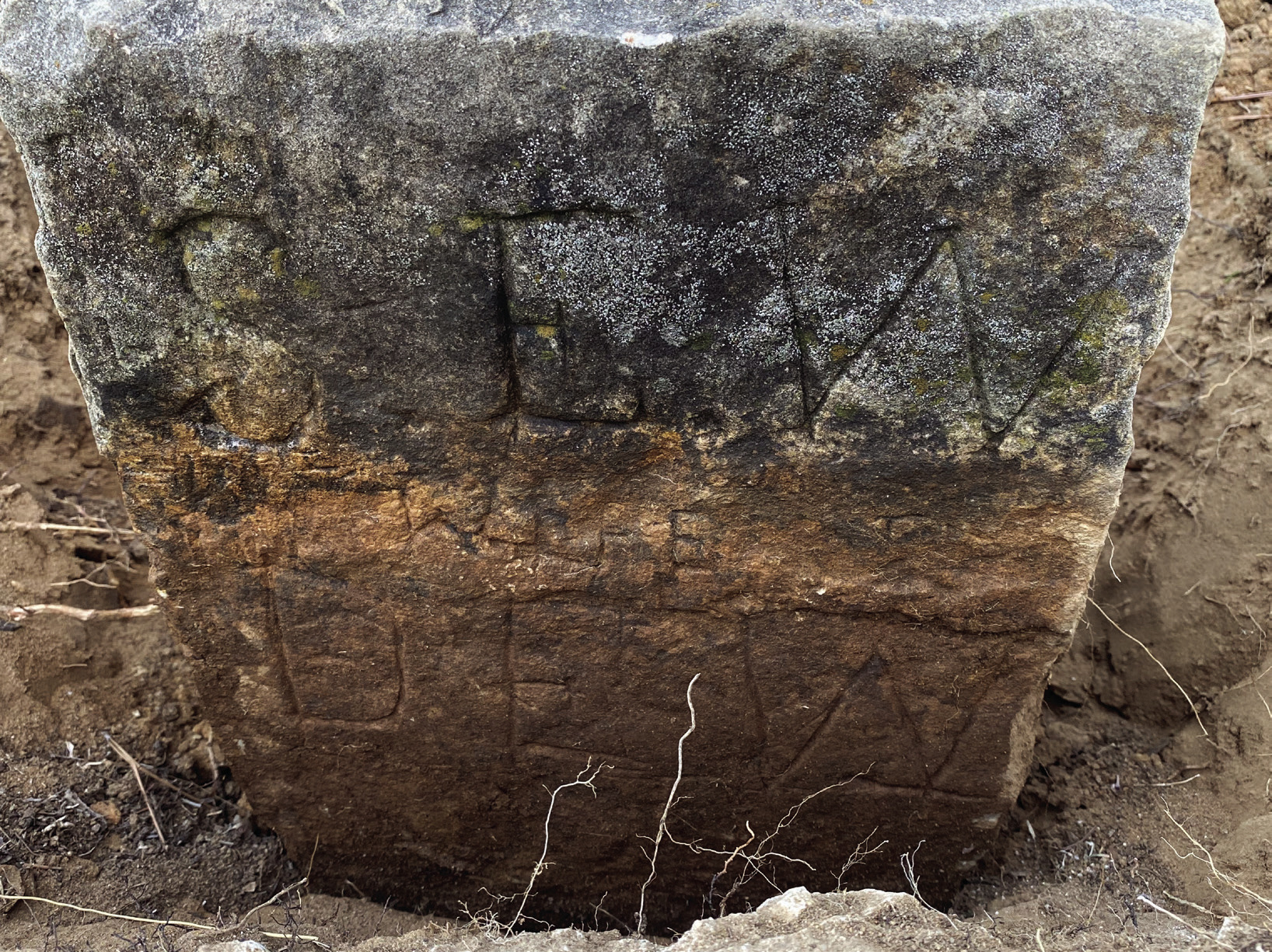
The cemetery on the grounds adds to the site's mystique,withmorethan200 unmarkedgraves.Thoseburied therereceivednomarkers and, for the most part, appear to have been lost to history.
One can only imagine who rests in the cemetery. With nearly two centuries of history and some original structures still standing, even skeptics might agree that Fort Washita is as likely a place as any for a chilling experience.
One of the area's bestknown legends is that of Aunt Jane, who many people have reported seeing around the fort. In most versions of the story,theheadlessAuntJane was beheaded by soldiers or thieves who wanted to steal her gold and now searches the grounds for her lost or stolen cache.
Another version says she committed treason during the Civil War and was executed. The tale grows taller with the addition of Molly Stalcup, the young daughter of a local doctor, who is said to have been possessed by Aunt Jane.
One version involves saving her daughter and mother Stalcup prays for the spirit of Aunt Jane to leave her child. Folklore or not, the story was compelling enough to appear in the Sept. 13, 1964, edition ofTheSundayOklahomanin an article titled “Aunt Jane GhostLegendRevivedatFort Washita.”
Newspaper documentation of Aunt Jane before that article appears elusive, but the word “revived” in the headline suggests the legend had circulated before being brought back to public attention.
Visitors have also reported ghost sightings and other unexplained activity at the fort, prompting several paranormal groups to investigate. As is often the case with such claims, the only evidence may be the stories themselves—or perhaps the truth is something each visitor must decide.
Fort Washita Historic Site operates on a set schedule, so anyone planning a trip should check its hours before visiting. After all, it is wise to make sure staff members know the visitors have entered the grounds—just in case.
Another spooky spot is Sacred Heart Mission. The name alone invites a closer look and suggests a place steeped in stories of ghosts and hauntings.
Father Isidore Robot founded the mission in 18761877 among the Citizen Potawatomi Nation. Often called the “cradle” of the Catholic Church in Oklahoma, the mission is near present-dayKonawainSeminole County.
The original complex burned in 1901 and was soon rebuilt. Three years later, the town of Konawa was established after George Northrup purchased land from Tom West, a Seminole of mixed- blood ancestry. The town’s name is said to mean “string of beads” in the Seminole language, a detail that adds another layer of interest to the area’s history.
Before Konawa became known as the “String of Beads,” Sacred Heart Mission included a church, abbey, convent, monastery, boys’ school, girls’ school and college. Farm buildings, cemeteries and burial grounds also occupied the property, making it more of a religious community than a small frontier church.
Given the mission’s size, and its boarding schools for Native American children, it is easy to imagine how many stories circulated among those who lived there and in the surrounding area. Local lore includes sightings of monks and priests walking the grounds and cemetery at night, unexplained lights movingamongthegravesand voices heard near the sites of former buildings.
Some of the more unusual accounts describe growling or rustling animals that cannot be found, along with dark creatures that appear and suddenly vanish into the night. As with many reportedly haunted places, little factual documentation supports these stories.
The devastating fire and the cemetery, however, are well documented. The cemetery contains the graves of many monks and priests associated with the mission, including Father Isidore Robot. Perhaps the best way to judge whether a place feels spooky is to visit it in person. Anyone planning a trip should first confirm the historic site’s hours and access requirements.
Whether it was called Indian Territory, Oklahoma Territory or simply home, this land has been gathering stories longer than any map can remember. From crippled forts and seemingly unmarkedgravestoforgotten dwellings beneath a mystic sky, Oklahoma is thick with legends, ghostly shadows and things that stir and sometimes growl when the red-dirt roads go quiet.
This October, take a drive beyond the glow of town, listen when the wind sneaks through the blackjack oaks, and look twice at whatever moves along the fence line. In Oklahoma, you do not always have to find a haunted place—sometimes, after sundown, it finds you.